

If you’re in the U.S. like I am, you know that holiday season not only brings a bounty of food and events, but it brings in a lot of processed foods. I read an article this morning from The Times about ultra-processed foods in this country and the steady rise of child obesity and type 2 diabetes—science shows the two are directly linked.
As I look at all the packaged foods hitting the supermarket shelves in preparation for home holiday meals, and shoppers filling their carts with these items, I want to offer some guidance on how we can start shifting in a new direction with our health.
In my community, we rely heavily on canned and processed foods during this time of year, and while it’s not the norm, I know we can do better. I keep in mind costs, accessibility to certain foods, and above all, taste—because if it doesn’t taste good, we likely won’t stick with it. I’m not saying that there won’t be an adjustment for your tastebuds to taste REAL food again, because there will be, but there are plenty of real foods that we need to bring back into our lives, our choices, and therefore our kitchens.
Sweetening your squashes & root vegetables
Pumpkin, yams, sweet potatoes and all the various squashes are foods that we like to sweeten even though many are naturally sweet (nature’s candy they say!). I get it, making sweet potatoes with butter and a whole lot of sugar can be both tradition and also comforting and nostalgic. Food holds so much memory for us, but it also has been put here to give us what we need to sustain life, to nourish our bodies.
One of my favorite phrases to recite, and I forget whom or where I heard this from, is “what is the loving thing to do here?”. I say this all the time every day multiple times a day. And when I set out to cook a meal for my family, I ask myself “what is the loving thing to do?” and that is to prepare something that is going to nourish my body and all the bodies I will feed. To nourish the people I love with the food provided for us on this earth to do so.
I grew up watching my grandmother pour what seemed like half a bag of C&H sugar in her sweet potatoes before popping them in the oven for an hour to cook and caramelize. Some use sugar AND marshmallows (double sugar) but my grandmother only used her C&H. I never thought twice about the amount of sugar, she cooked with so much love and care and attention and this was what she’d been taught by her mother. This is tradition. This is beauty. So when it came time to eat those candied yams, as we call them, we’d pray and dig in.
Have you ever tried a sweet potato?
They’re only sweeter than a regular white potato—and that’s not saying much. When I first tried a sweet potato without anything on it, I was shocked to find they were so bland tasting. “But I grew up eating these! This must be a yam!” [Commonly in black households a sweet potato is “sweet” and a yam is less sweet. But turns out there aren’t really yams sold in the U.S. only sweet potatoes].
Finding out that the sugar is what made them so good was a little disappointing because by now I was a recent health & nutrition graduate and was making changes to cleaning up my own diet. I could not get myself to willfully add cups of white refined sugar to these perfect nourishing vegetables. It would taint them, make them bad. And even though it was tradition, and there’s nothing wrong with tradition, I knew there had to be a better way.
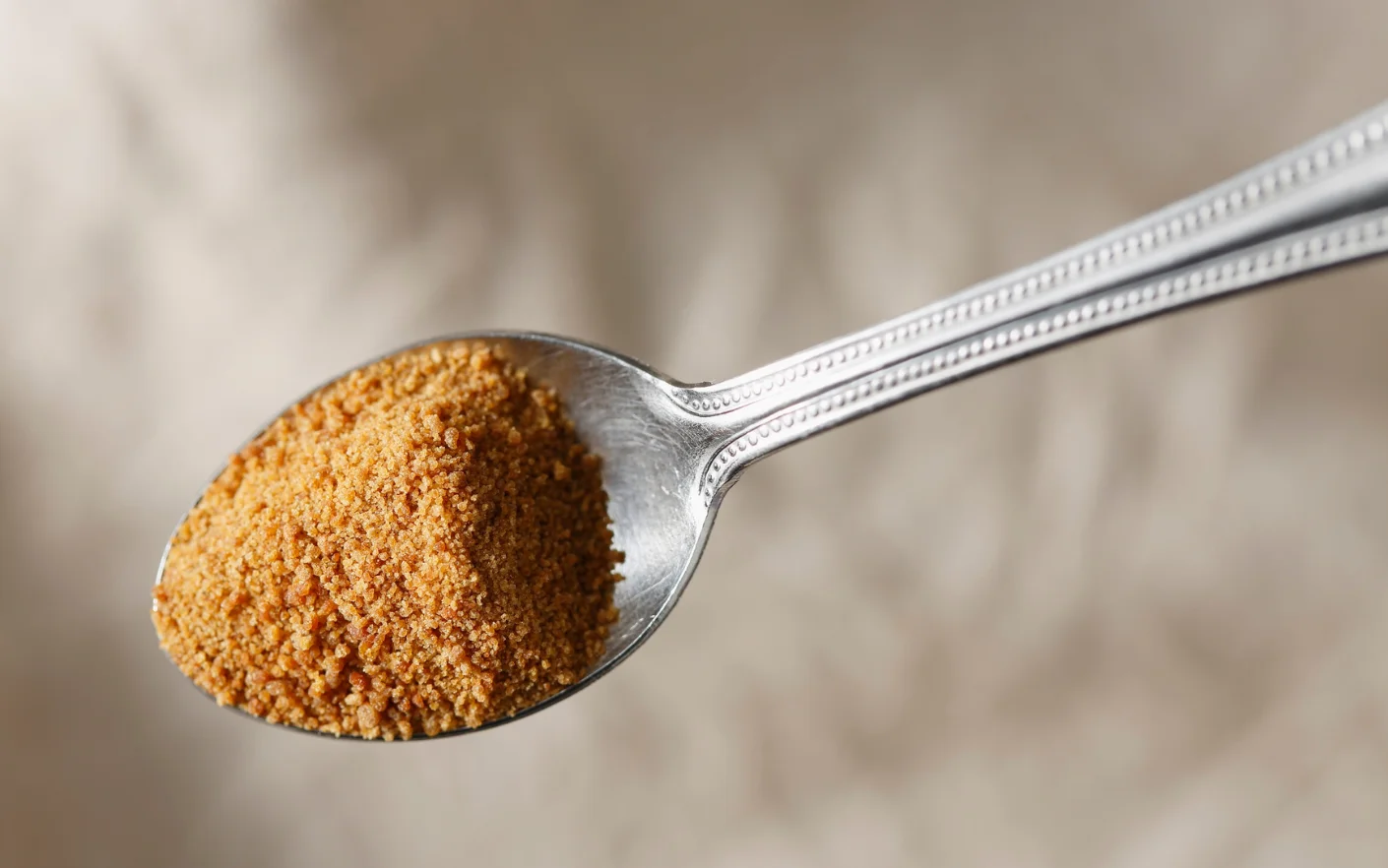
How sweet do you want it?
I began experimenting with different ways to cook and sweeten my sweet potatoes to get them tasting as close to grandma’s recipe as possible. I still want to honor and carry this tradition to my family, I just knew it needed to be updated. With the information we now scientifically know about processed food, diabetes, and all other chronic conditions, these are diet-related diseases. I repeat, diet. related. diseases. Knowing this does give me hope and joy because it means we have the personal power to help ourselves by changing the way we eat.
What I discovered is that not all sweeteners are created equal. Some have nutritional benefits. Some taste completely different from white sugar. Some cost way more than others. And honestly, some just don’t work well with sweet potatoes at all.
So I’m breaking down the sweeteners I’ve tested, what they actually taste like, how much you’ll spend, and which ones are worth it for your holiday table.
Brown sugar
Ratio to white sugar: 1:1 (use the same amount)
What it tastes like: Brown sugar has that deep, molasses-y flavor we all know. It’s slightly richer than white sugar with warm caramel notes. If you’ve ever eaten a chocolate chip cookie or oatmeal cookie, that’s brown sugar you’re tasting - warm, familiar, a little bit earthy but still very sweet.
Cost: About $3-4. You’ll find it at any grocery store next to the white sugar.
Common brands: Domino, C&H, store brands all work the same
The truth about brown sugar: It’s literally just white sugar with molasses added back in. That’s it. The light brown has less molasses, the dark brown has more. People think brown sugar is “healthier” because it’s brown, but nutritionally it’s almost identical to white sugar. You get a tiny bit of minerals from the molasses (we’re talking trace amounts), but your body processes it the same way - blood sugar spike and all.
Does it work for sweet potatoes? Absolutely. It’s what most of us grew up with, and it creates that classic candied yam flavor. The molasses adds depth that pairs beautifully with butter and cinnamon. But blood sugar-wise? You’re not doing yourself any favors.
My take: If you’re going to use brown sugar, use it knowingly. It’s not a health food. It’s tradition. And sometimes tradition is worth it - just not every day, and not in the amounts we’re used to. Cut the amount in half from what usually use and add more spices (cinnamon, nutmeg, a pinch of cardamom) to make up for it or half of another one the sweeteners below.
Coconut sugar
Ratio to white sugar: 1:1 (use the same amount)
What it tastes like: Coconut sugar doesn’t taste like coconut at all - it tastes like caramel mixed with toffee, with a slight earthiness. Think of the flavor you get from the crusty edges of burnt sugar, but in a good way. It’s less purely sweet than white sugar and more complex.
Cost: It’s about $5-10. You’ll find it in the natural foods section of most stores or at stores like Whole Foods, Trader Joe’s, and online. I actually find them for a good deal at Marshall’s and TJ Maxx!
Common brands: Nutiva, Big Tree Farms, Madhava, Trader Joe’s brand
Nutritional benefits: Unlike white or brown sugar, coconut sugar actually has some minerals - iron, zinc, calcium, potassium. Not a ton, but more than regular sugar. More importantly, it has a lower glycemic index (35 compared to white sugar’s 60-65). This means it won’t spike your blood sugar as quickly. It also contains inulin, a type of fiber that slows glucose absorption.
Does it work for sweet potatoes? It works beautifully. That caramel-toffee flavor is perfect for candied yams. You might actually prefer it to regular sugar once you taste it. The flavor is richer, more interesting, and you don’t need as much to get that “sweet” satisfaction.
My take: This is my second choice after maple syrup. Yes, it’s a few more bucks. But you’re using it for special occasions, not every day. The lower glycemic index makes a real difference for blood sugar management. And the flavor? It actually enhances sweet potatoes rather than just making them generically sweet.
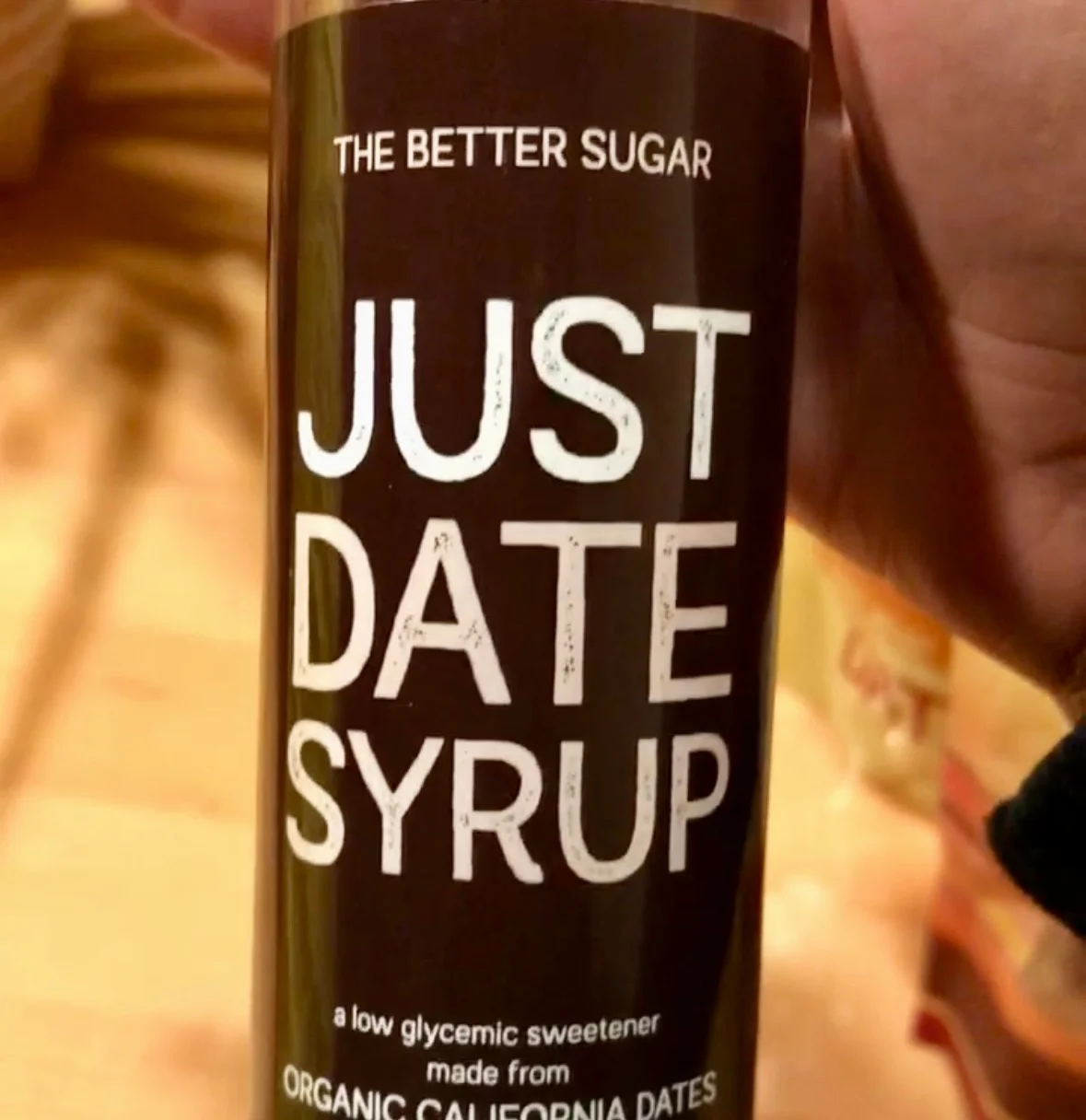
Date sugar
Ratio to white sugar: 1:1 (use the same amount, but see my notes)
What it tastes like: Date sugar is ground up dried dates - that’s it. So it tastes like dates: rich, almost honey-like sweetness with notes of caramel and a slight fruitiness. Think of eating a Medjool date, but in granulated form. It’s less purely sweet than white sugar and has more depth - there’s a warmth to it, almost like there’s vanilla or brown butter involved even though there isn’t.
Cost: On the expensive side - about $7-10. Find it mostly at health food stores, Whole Foods, or online. You might have luck at TJ Maxx, Marshall’s or Grocery Outlet.
Common brands: Bob’s Red Mill, NOW Foods, Terrasoul
Nutritional benefits: It’s a whole food - literally just ground dates. That means you get all the fiber, potassium, magnesium, B vitamins, and antioxidants that come with dates. The fiber content helps slow the absorption of sugar into your bloodstream. It has a lower glycemic index (around 42-55 depending on the date variety) compared to white sugar.
Does it work for sweet potatoes? Here’s the thing - date sugar doesn’t melt or dissolve like regular sugar. It stays granular even when heated. So if you’re making a glaze or syrup, it won’t work the same way. But for roasted or baked sweet potatoes where you’re sprinkling it on top? It’s fantastic. The graininess actually adds a nice texture contrast, and the flavor is incredible with sweet potatoes.
My take: I love date sugar, but you have to know what you’re getting into. It won’t caramelize like regular sugar. It won’t create that glossy coating we’re used to on candied yams. But if you’re willing to adapt your expectations, it’s genuinely nutritious (as far as sweeteners go), and the flavor is yummy. Try mixing it with a little butter or coconut oil to help it coat the potatoes better.
Maple syrup (100% Pure)
Ratio to white sugar: Use 3/4 cup maple syrup for every 1 cup of white sugar, and reduce other liquids in the recipe by about 3 tablespoons
What it tastes like: Real maple syrup tastes like... well, like maple trees in liquid form lol. It’s sweet, yes, but it’s also earthy, a little bit woody, with hints of vanilla and caramel. There’s a depth and complexity that makes your mouth happy without just tasting “sugar.” The darker the grade (Grade A Dark Amber or Very Dark), the more robust the flavor. Light amber is more delicate and subtle.
Cost: This is the most expensive option - about $8-20 for a 12-ounce bottle, depending on the grade. You want pure maple syrup, not “pancake syrup” or “maple-flavored syrup” which is just corn syrup with artificial flavor.
Common brands: Look for “100% Pure Maple Syrup” on the label - brands vary by region, but you want Canadian or Vermont maple syrup ideally. Trader Joe’s, Whole Foods, and even regular grocery stores carry pure maple syrup (just check that label carefully). And if it’s on sale, get it!
Nutritional benefits: Maple syrup has manganese, zinc, calcium, and potassium. It contains over 24 antioxidant compounds. The glycemic index is around 54 (compared to 65 for white sugar), so it’s a bit gentler on blood sugar. It also contains prebiotics that support gut health.
Does it work for sweet potatoes? This is my absolute favorite for sweet potatoes. Because it’s already liquid, it coats beautifully. It creates that glossy, caramelized exterior we all want. Mix it with butter (or coconut oil), cinnamon, and a pinch of salt, and you’ve got a glaze that tastes like tradition but treats your body better.
My take: Yes, it’s expensive. But a little goes a long way, and the flavor is unmatched. This is the swap that makes me not miss my grandmother’s recipe. The richness of real maple syrup feels special - like you’re giving yourself and your family something precious, not just sweet. When I use maple syrup on my sweet potatoes, I’m choosing the most nourishing option that still honors tradition.
Stevia
Ratio to white sugar: This varies wildly by brand. Generally, 1 teaspoon of stevia = 1 cup of sugar. Check your package.
What it tastes like: I’m going to be honest with you - stevia has a weird aftertaste. Some people describe it as licorice-like or metallic. The sweetness hits your tongue differently than sugar - it’s intense and immediate, then lingers in a way that can be off-putting. Some brands are better than others, but none taste exactly like sugar.
Cost: About $5-12, but since you use so little, it lasts forever.
Common brands: Stevia in the Raw, Truvia, NuNaturals, SweetLeaf
Nutritional benefits: Stevia is a zero-calorie sweetener from the stevia plant. It doesn’t raise blood sugar at all - literally zero glycemic impact. For people with diabetes or prediabetes who need to be very strict, this is huge. It also doesn’t feed bad bacteria in your gut the way sugar does.
Does it work for sweet potatoes? Technically, yes. Practically, I don’t love it. The aftertaste clashes with the earthiness of sweet potatoes. And stevia doesn’t caramelize or create that rich coating we want. You can use it, but you’ll need to add something else for texture and richness (butter, coconut oil, maybe a little maple syrup).
My take: Stevia is best for coffee, tea, or smoothies where you need sweetness without calories or blood sugar impact. For holiday sweet potatoes? There are better options. That said, if you’re managing diabetes and your numbers are sensitive, stevia mixed with a small amount of butter and lots of cinnamon can work. Just know you’re not going to get the candied yams you know and love.
Xylitol
Ratio to white sugar: 1:1 (use the same amount)
What it tastes like: Xylitol tastes surprisingly similar to regular sugar - clean, sweet, no weird aftertaste like stevia. There’s a slight cooling sensation on your tongue (like mint, but without the mint flavor), which some people love and others find strange. The sweetness level is almost identical to sugar.
Cost: About $8-15. Find it at health food stores or in the sugar section of most grocery stores or online.
Common brands: XyloSweet, NOW Foods, Wholesome Sweeteners
Nutritional benefits: Xylitol is a sugar alcohol with a glycemic index of 7 (compared to 65 for sugar) - so minimal blood sugar impact. It actually helps prevent cavities (it’s in a lot of sugar-free gum). It has 40% fewer calories than sugar. Your body actually processes it differently than all other sugars (including the ones above), so it doesn’t cause the same insulin spike.
Does it work for sweet potatoes? Yes, it works well. It dissolves like sugar, sweetens like sugar, and creates a similar texture. The cooling sensation is subtle enough that most people won’t notice it mixed with butter and cinnamon on hot sweet potatoes.
My take: Xylitol is a solid option if you need to keep blood sugar low but want something that actually tastes like sugar. Two warnings though: First, it can cause digestive issues (gas, bloating) if you eat too much - start with small amounts. Second, it’s extremely toxic to dogs. If you have pets, be very careful with storage and cleanup.
Maple sugar
Ratio to white sugar: 1:1 (use the same amount)
What it tastes like: Maple sugar is crystallized maple syrup - so it tastes exactly like maple syrup but in granulated form. Rich, warm, complex sweetness with that distinctive maple flavor. Think of maple candy or maple cream - that’s the flavor profile, but in a form you can sprinkle.
Cost: This is the most expensive option besides pure maple syrup - about $15-18
Common brands: Coombs Family Farms, Pure Canadian, NOW Foods
Nutritional benefits: Same as maple syrup - minerals, antioxidants, a lower glycemic index (around 54). Because it’s just dehydrated maple syrup, you get all the same nutritional benefits in granulated form.
Does it work for sweet potatoes? Beautifully. It sprinkles and dissolves like regular sugar, but gives you that deep maple flavor. Mix it with softened butter to make a compound butter, then brush it on your sweet potatoes before roasting. The flavor is incredible.
My take: If you want the convenience of granulated sugar but the flavor and nutrition of maple syrup, this is your answer. The cost is prohibitive for everyday use, but for special occasions? It’s a worthwhile splurge. The flavor is so rich that you might find you use less than you would of regular sugar.
Lastly, please note that sugar is still sugar
Whether it’s white, brown, coconut, or maple - your body is still processing sweetness. These alternatives I’m sharing aren’t magic solutions that let you pour unlimited amounts on your sweet potatoes without consequence. What makes them better isn’t that they’re “not sugar” - it’s that they come with benefits white sugar doesn’t have. The minerals, the fiber, the antioxidants, the lower glycemic impact - these things matter. They slow down how fast that sugar hits your bloodstream. They give your body something nutritious along with the sweet. But you still need to be mindful of portions. The goal isn’t to replace cups of white sugar with cups of coconut sugar and call it healthy. The goal is to use less overall, choose quality when you do sweeten, and load up on the actual nutrients in those sweet potatoes - the fiber, the vitamin A, the potassium. The sweetener is the accent, not the main event.
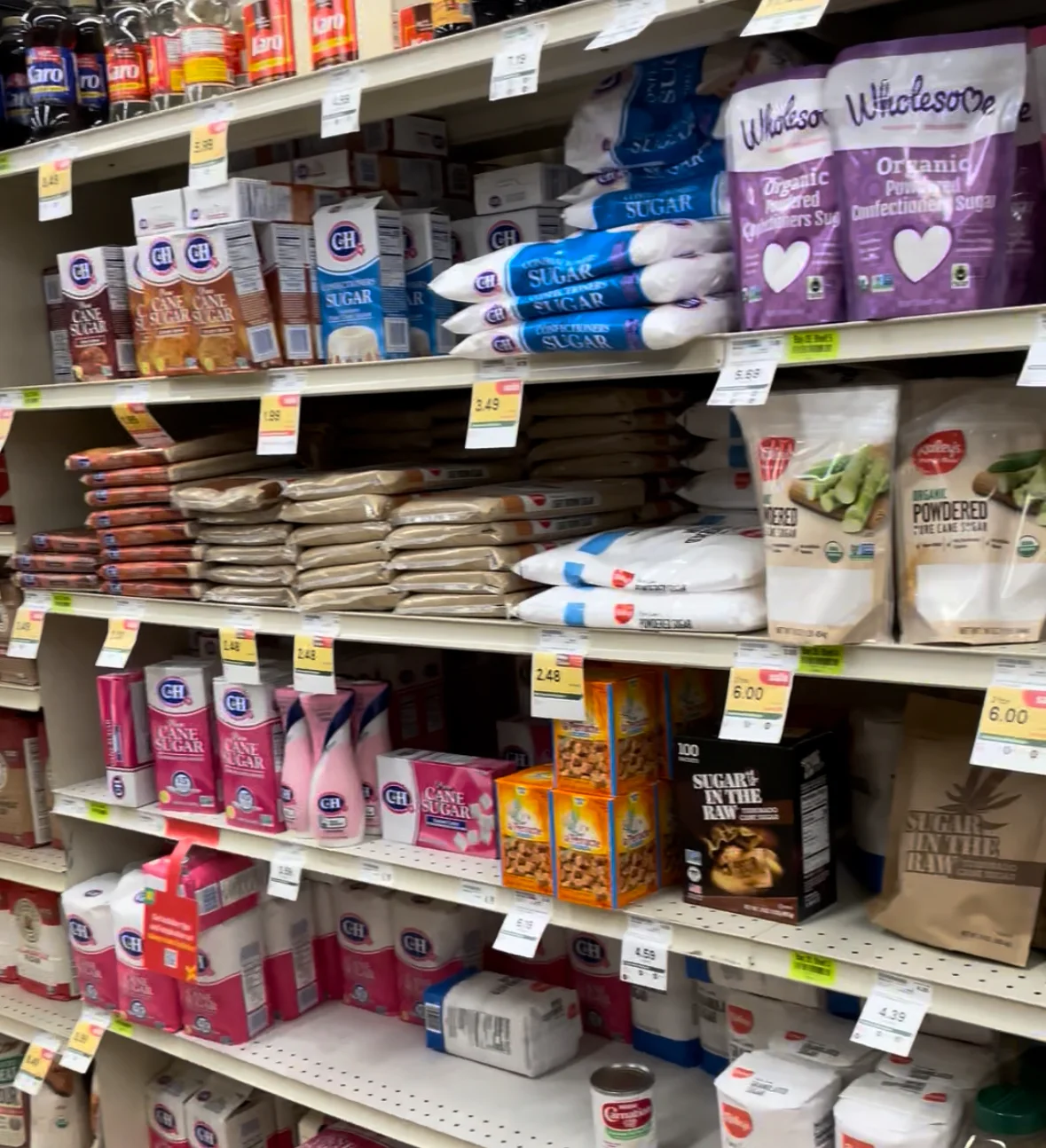
So which one should you choose?
If budget isn’t an issue and you want the best nutrition + flavor: Pure maple syrup or maple sugar
If you want good nutrition and can deal with texture: Date sugar
If you want the best bang for your buck: Coconut sugar
If you need zero blood sugar impact: Stevia or xylitol (but know you’re sacrificing some flavor)
If you want tradition: Brown sugar (but use half what you normally would and load up on spices)
Shopping tip: check places like Marshall’s TJ Maxx and Ross for these sweeteners. They often have them in abundance at a great price.
A few more holidays tips
Now, I want you to dig in and enjoy the holidays. I’m not here to tell you to skip dessert or avoid every sweet thing. I want you to make informed choices and set yourself up for success.
Start with protein - Eat your turkey, ham, or whatever protein you’re serving first. This slows glucose absorption from everything else you eat.
Enjoy veggies and carbs - After protein, load up on vegetables. Then enjoy those sweet potatoes guilt-free.
Skip the sugary drinks - If you’re having sugary food already, don’t compound it with sweet tea, soda, or sugary cocktails. Stick to water, unsweetened tea, or dry wine.
Choose 1 dessert - Pick your favorite. Enjoy it. Savor it. Then stop.
About canned sweet potatoes
One last thing - if you’re using canned sweet potatoes or yams, drain them and rinse them. They’re typically packed in heavy syrup (more sugar!). Rinsing gets rid of most of that excess sweetness, and then you can re-season them with a little sweetener of your choice.
With love,
Jen
Nutritionist & Founder, Living Low GI