
I’m not gonna lie, I used to stand inside my pantry at 9 PM each night, telling myself I wasn’t hungry, I’d already had dinner, I didn’t need anything. I’d stare at the tea, knowing I should make that and go to bed… but I’d opt for half a bag of dark chocolate chips standing there in the dark.
Maybe you do or have done something similar. The “just one cookie” that turns into five. The genuine confusion about why you can’t just stop wanting sugar when you know it doesn’t make you feel good (mentally, emotionally, physically…)
Sugar cravings aren’t about willpower. Cravings are biological. They’re about blood sugar. Once I understood how to stabilize mine using Low GI principles, that I’ll share with you in this post, the cravings just... stopped. They stopped and when I have them I know the exact reason why. And I didn’t do this through restriction or hard and fast rules or trying harder. They stopped because my body stopped asking for them. After I showed it how.
I want to walk you through three strategies. These aren’t complicated. You don’t need special foods or a lot of time. Today, you don’t need to do anything besides read and absorb and then try it out for yourself.
Strategy #1: The foundation formula
I think you know this by now, and if not, here it is. Every meal and snack and thing you put in your mouth needs three things: a low GI carbohydrate, quality protein, and healthy fat.
That’s it. That’s the foundation.
When you eat something high-glycemic—white bread, a muffin, even a banana by itself—your blood sugar spikes fast. That’s simply how it works. Your pancreas panics and dumps out insulin to bring it down. But insulin is kind of aggressive about its job, so your blood sugar doesn’t just come down... it crashes.
And that crash? That’s the craving. Your body literally thinks it’s in an emergency and needs quick energy (sugar) right now. You know the signs of a crash because you’ll usually crave something carby. You have learned (and are conditioned at this point) to know that a carb is going to give you that hit of energy. Get you feeling “good” again. Happy even. You know it’ll do that for your body, even though you’re mentally fighting against this “urge” saying no no no.
The Foundation Formula stops this entire thing. When you pair your carbohydrates with protein and fat, everything just slows down. The glucose enters your bloodstream gradually. Your energy stays steady. Your brain doesn’t scream for cookies or chips or candy because it’s not in crisis mode.
Most women I work with in my private practice notice a change within three to five days. The constant background hum of what can I eat next just quiets down.
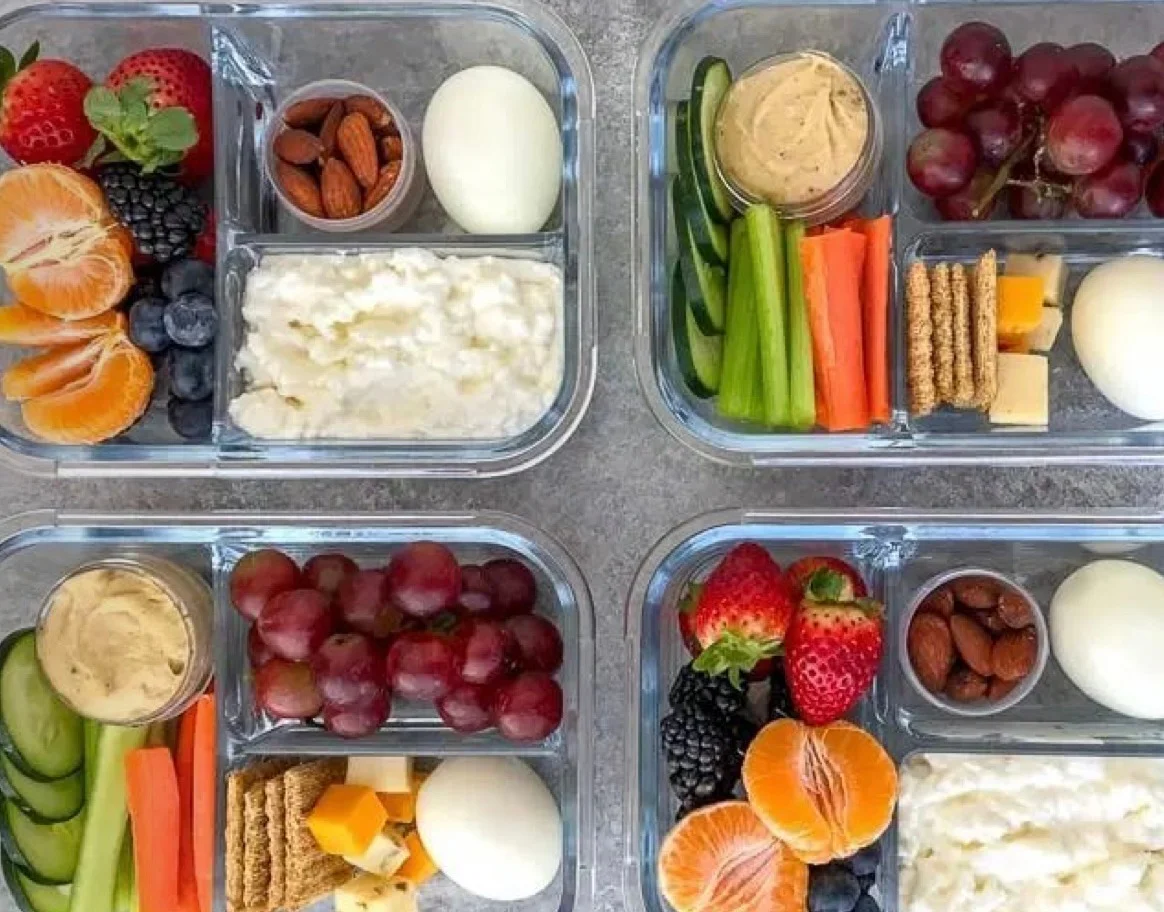
What this actually looks like:
Instead of oatmeal with brown sugar → Steel-cut oats + almond butter + berries + hemp seeds
Instead of a rice cake with honey → Whole grain crackers + hummus + cucumber
Instead of orange juice → Orange slices + a handful of almonds
You’re still eating carbs. You’re still eating sweet things. You’re just not eating them alone.
Strategy #2: 3-4 hours
Eat every three to four hours. It can be something small.
I know this sounds counterintuitive, especially if you’ve been taught that eating less frequently is better or that snacking is somehow bad or you’re fasting (in which case, you’ll follow a different strategy). But let me tell you what happens when you wait too long between meals when following the low GI diet and blood sugar management.
You eat breakfast at 7. Lunch at noon. Then nothing until dinner at 7pm. That’s seven hours. Your blood sugar starts dropping around 3 or 4pm. Your body gets stressed—literally, your cortisol rises trying to mobilize some stored glucose. And by the time you’re driving home or starting to cook dinner, you’re VERY hungry. You’re also craving the fastest source of energy your body knows: sugar (that’s carbs!)
[Side note: I’ve been fasting for over a month now following OMAD (one meal a day) and still everyday when it comes times to break my fast at 5pm, the first thing I desperately want to reach for is something carby! Rice, a cracker, a chip, pretzel, bread… and while I don’t do it and ensure I eat plenty of protein and healthy fat first always, those carbs are still very much on my mind. Isn’t it wild!]
This is why you walk in the door and eat crackers out of the box. This is why you’re “so hungry you could eat anything” but what you actually want is bread or chips or something sweet.
Eating something balanced every 3-4 hours prevents this entirely. When your body knows it’s getting fed regularly, it relaxes. It trusts you. The panic doesn’t set in.
For most people, this looks like:
Breakfast
Mid-morning snack (if needed)
Lunch
Afternoon snack (I say non-negotiable)
Dinner
Evening snack if dinner was early
Tea
That afternoon snack really matters here. It’s the difference between calm and chaos. It’s what keeps you from eating a family-size bag of chips before you even start cooking.
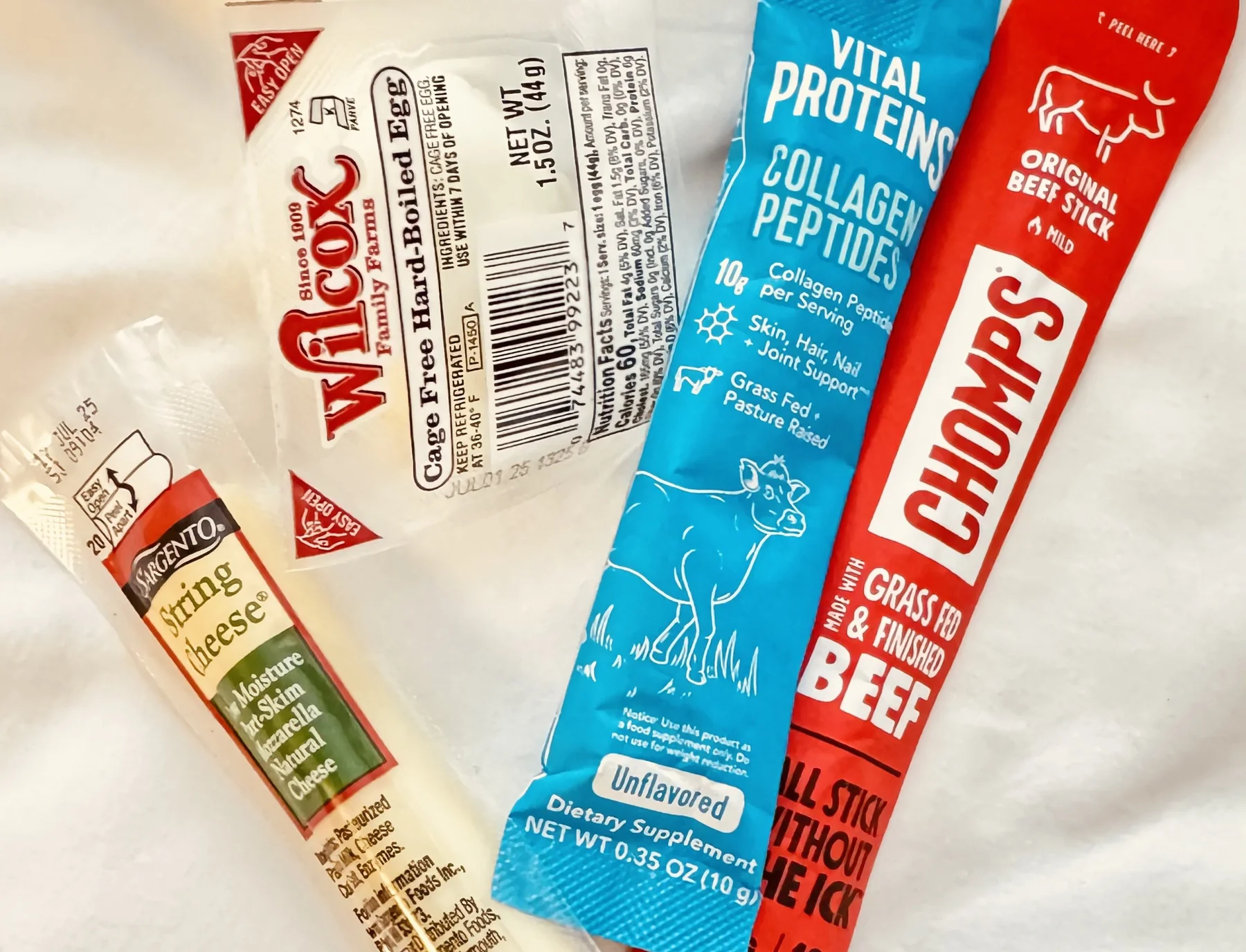
Some of my go-to afternoon snacks are:
Apple + almond butter
Greek yogurt + walnuts + cinnamon
Hummus + veggies
Hard-boiled eggs + cherry tomatoes
Small handful of nuts + a few dried apricots (on occasion!)
Beef jerky + cheese
Strategy #3: Crowd out, don’t cut out
I don’t want you to fight your sweet tooth. I want you to feed it differently. Write that on the chalkboard one hundred times.
When you try to just resist sugar, you are truly battling biology. Your brain has receptors that genuinely want sweetness. Telling yourself “no” over and over creates this exhausting mental tug-of-war [same one I need to nip in the bud every day]. Eventually, though, if you’re not paying attention you break. You eat the thing. Then you feel guilty, which makes you want to eat more to feel better, and the whole cycle spirals.
What works better here is this: satisfy the craving with foods that give you sweetness without the blood sugar spike.
Berries—especially blueberries, strawberries, raspberries (I buy 5lb frozen bags). Stone fruits like peaches and cherries when they’re in season. Apples and pears (with the skin). Sweet potatoes. Dark chocolate that’s 70% cacao or higher. These foods will break the craving, and it’ll seem like magic. You’ll notice your craving for the sugar will go away, but you might also notice you’re still thinking about the sugary food. The biological response vs. your thought is a different thing and you can quite literally just move on and think about something else and be fine.
These foods I mentioned above have natural sugar, but they also have fiber, water, and nutrients that slow everything down. You get the sweetness your tastebuds want. You get the hit your brain wants. Your blood sugar stays stable. Everyone’s happy. lol.
So, I call this “crowding out” instead of “cutting out” because you’re not restricting anything. You’re just choosing abundance in a different form. When I want something sweet, I make frozen banana nice cream with cocoa powder and almond butter. Or I eat a bowl of berries with a square of really good dark chocolate. It feels like a treat because it is a treat.
And here’s what happens over time: your taste buds recalibrate. As your blood sugar stabilizes (from Strategies 1 and 2), your tolerance for intense sweetness just goes down. Things that used to taste just okay start tasting really sweet. A handful of blueberries becomes genuinely satisfying. You stop needing the crazy-sweet stuff.
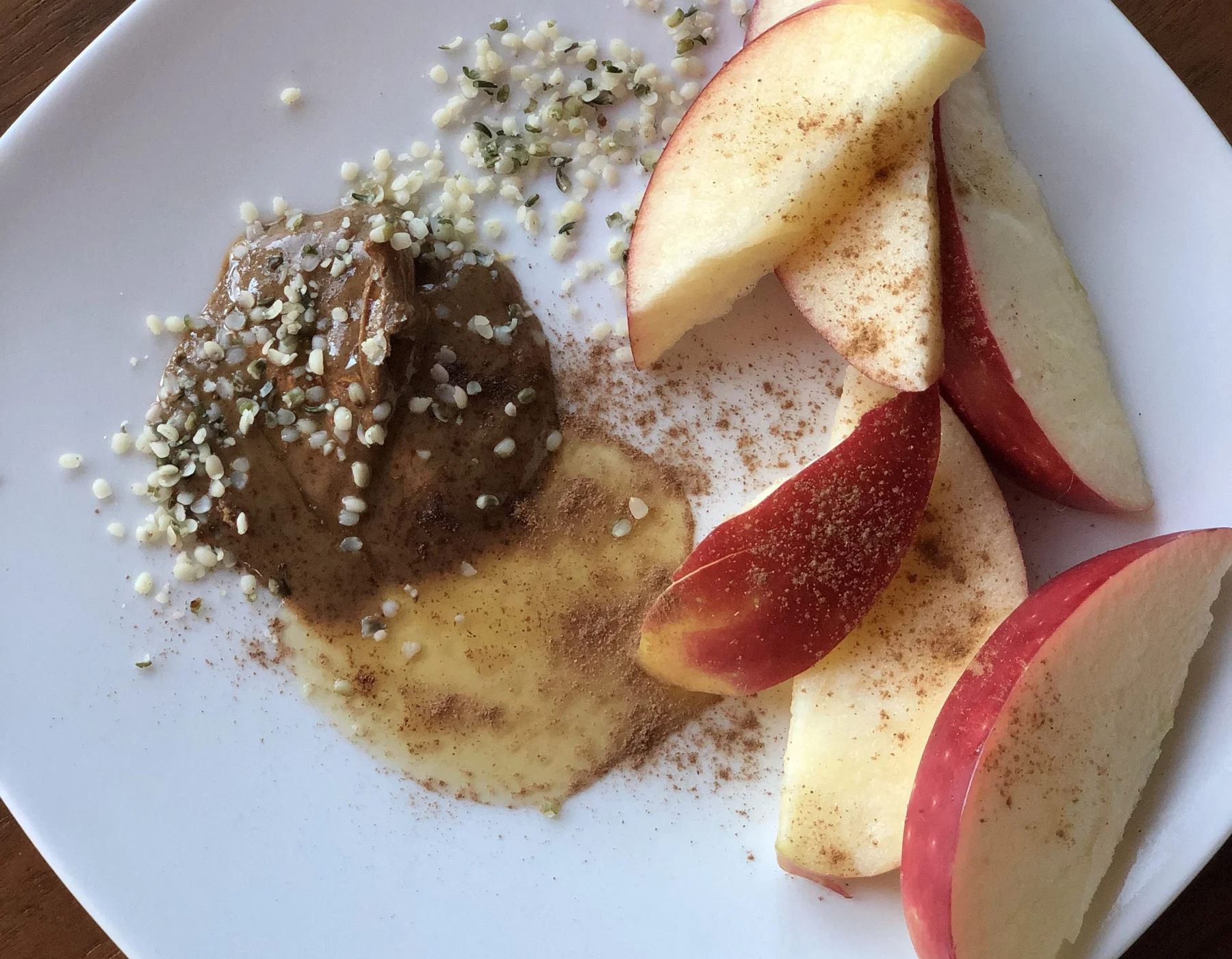
Practical swaps:
Ice cream → Frozen banana blended with cocoa and almond butter
Cookies → Apple slices with cinnamon and almond butter
Candy → Berries with dark chocolate
Bakery muffins → Homemade low GI muffins with almond flour and monk fruit
The questions I always get
“Do I have to eat this way forever?”
After six to eight weeks, this just becomes how you eat. You really stop thinking about it. It’s not a diet you’re trying to get through—it’s just your normal.
And once you’re craving-free, you actually have more freedom. You can have birthday cake at a party and enjoy it without spiraling into a three-day binge. You can keep Halloween candy in the house and forget it’s there. The control comes from blood sugar stability, not willpower.
“I’ve tried everything. What if this doesn’t work either?”
Low GI works because you’re not trying to overcome your blood sugar regulation system; you’re supporting it.
I’ve seen women who struggled with sugar for decades find freedom through these three strategies. Not because they finally got disciplined enough, but because they stopped fighting and started nourishing. And then there was nothing to fight.
Try it, what do you have to lose?
What changes when the cravings stop?
It’s like this. You walk past the bakery and don’t feel the pull. You’re in a meeting with donuts on the table and it genuinely doesn’t matter to you. You stop thinking about food every hour. Your energy stays steady all day. You sleep better. Your skin clears up. You feel calm around food in a way you maybe never have before.
You’re allowed to want this. You’re allowed to have it.
with love,
Jen
Nutritionist & Founder, Living Low GI