
I’ve been living the low glycemic way for over a decade. I know this approach inside and out. I’ve helped thousands of women in my private practice stabilize their blood sugar, release weight, and reclaim their energy. And yet...
There it was. Stubborn visceral belly fat that simply wouldn’t go away for me.
Not just the soft, subcutaneous fat you can pinch (though I have that too). I’m talking about the deep belly fat that is found around your organs and increases risk for everything from diabetes to heart disease to chronic inflammation. The kind of fat that accumulates, stubbornly resisting even our best efforts.
Now, I do eat well. I follow all the principles of the low glycemic diet. But for some reason my body was holding onto this fat, and I knew something had to shift.
That’s when I decided to try OMAD - One Meal A Day. I could have just started with simple intermittent fasting, but I typically like to jump in instead of dipping my toe. Also I was pretty fed up and desperate for something radical.
Twenty-four days later, I’m holding noticeably less belly fat in my hands when I grab it. And I can feel my abdominal muscles again beneath my skin. I’ll be honest, I wish I would have tried this sooner but I was never convinced that having fasting windows would actually make a difference. Well, they make a huge difference.
Let me tell you about this journey.
Why OMAD called to me
I’ll start by saying OMAD isn’t a magic solution, and it’s certainly not for everyone. But it called to me at this particular moment for a few reasons.
The visceral fat reality hit me hard. That deep belly fat is metabolically active and particularly stubborn. I knew I needed an approach that would give my body extended periods and time to actually access that stored fat for fuel. [If you’re interested in a deep dive into this topic, this Youtube video by Insulin Doctor and Cardiologist, Dr. Pradip Jamnadas, is EYE OPENING, life-changing.]
Then there’s the simplicity. After years of meal planning, prep, and thinking about food multiple times a day, there was something deeply appealing about just... simplifying. One meal. One window. Done. No decisions about breakfast. No figuring out lunch. Just one intentional, beautiful dinner with my husband.
But what really sold me was the insulin sensitivity piece. Extended fasting periods dramatically improve insulin sensitivity. For those of us managing metabolic issues like prediabetes or with concerns about A1C numbers, this matters enormously.
I will note that I do not have prediabetes, but many of my extended family members (and clients) have prediabetes, diabetes, heart disease, cholesterol issues and a host of other things. I choose low GI living strictly as a preventative diet and it has served me and my clients so well.
So, when we’re not constantly eating - even healthy low GI foods - we give our pancreas a rest. Our cells become more responsive to insulin not less. Blood sugar stabilizes at lower levels.
I tried 16:8 intermittent fasting once before. It helped some, but not enough. Also tried the 18:6 window but it felt awkward with our family schedule. OMAD just... clicked. One meal. Twenty-three hours of fasting. Clean and simple.
What OMAD means
OMAD stands for One Meal A Day. You eat all your nutrition in a single eating window - typically one to two hours - and fast for the remaining 22-23 hours.
But it doesn’t mean starving yourself. It doesn’t mean eating whatever you want in that window. It doesn’t mean ignoring nutrition or thinking this is some quick fix that bypasses healthy eating principles. I had to say this!
OMAD is still about what you eat. The low glycemic principles I’ve taught for years? They matter even more now. Maybe especially now since everything rides on this one meal.
Why Low GI and OMAD are a perfect pairing
Many people hear “OMAD” and think it’s a free pass to eat anything during that eating window. A whole pizza? Sure! Pasta with bread and dessert? Why not - it’s your only meal after all! Sorry… this couldn’t be further from the truth.
This way of thinking completely misses the point, especially for those of us managing blood sugar, fighting inflammation, or trying to lose visceral fat.
OMAD actually amplifies whatever you’re eating.
If you eat processed carbs, inflammatory foods, and sugar during your one meal, you’ll spike your blood sugar dramatically after 23 hours of fasting. Your insulin will surge. Your body will immediately store that meal as fat. So, that almost full day of fasting would be for nothing and wouldn’t help you get the true benefit of fasting and creating a ketone.
But if you eat a balanced, low glycemic meal - protein, healthy fats, fiber-rich vegetables, complex carbs - something magical actually does happen:
Your blood sugar rises gently and stays stable. You feel satisfied for hours because you’re properly nourished. Your body has the building blocks it needs for the extended fast ahead. You’re burning fat, not storing it. Your energy remains steady.
I truly believe this is why my decade of low GI living prepared me perfectly for OMAD. I already knew how to build a plate that would serve my body well. I just concentrated all that nutrition into one magnificent meal. If you’ve been living low GI too, it should be fine transition since you know what to do.
What I actually eat!
Let me take you into my kitchen because I think this is where OMAD becomes less intimidating.
Since this is my only meal, I’m not throwing together whatever’s quick. I’m not mindlessly eating. I’m actually thinking of what I’d LOVE to eat. What am I in the mood for? What will be SO worth the wait? Dinnertime has become this intentional, almost ceremonial experience. My husband and I are doing this together, and we’ve turned our OMAD meal into an adventure.
Every OMAD meal follows this pattern: a substantial main dish (high protein), a hearty soup or stew (often prepared in the crockpot during the day), a big colorful salad, plenty of healthy fats, and strategic complex carbs.
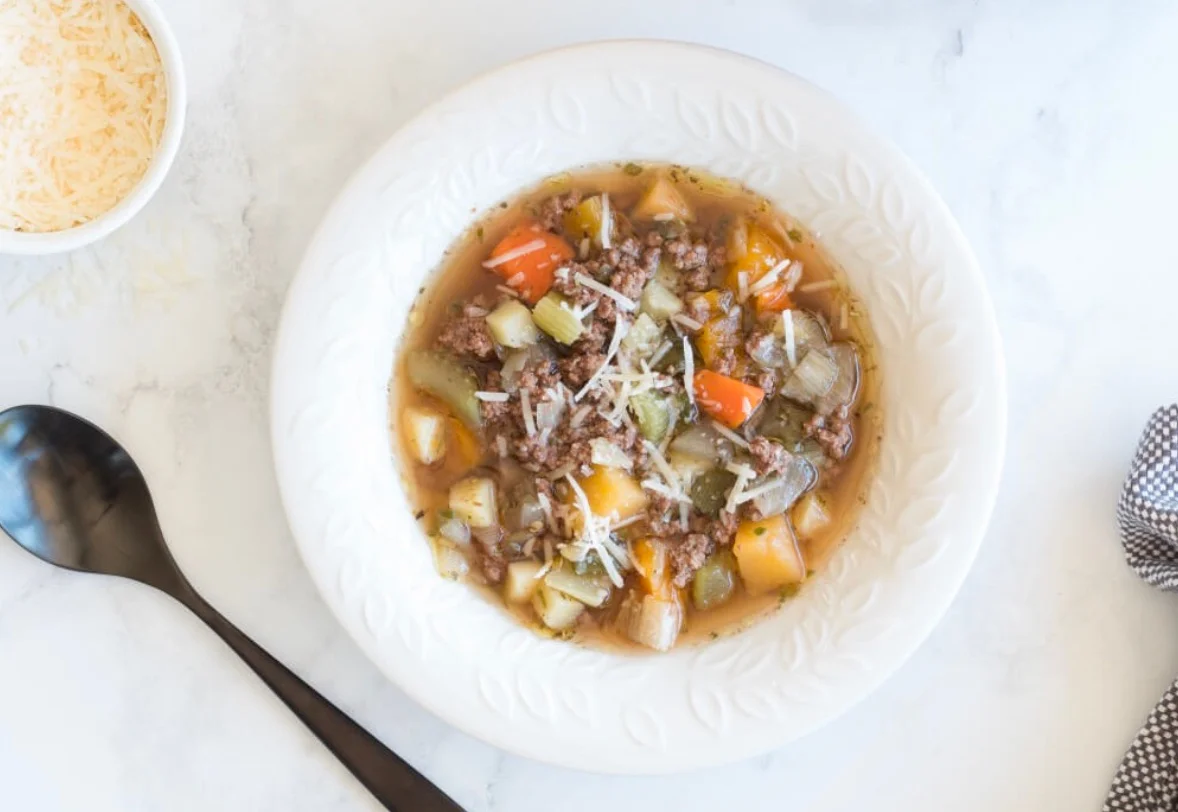
Most days, I start something in the crockpot in the morning. By dinner, we have beef and vegetable soup bubbling away, or creamy garlic pork with butternut squash, or herb-roasted chicken falling off the bone. I’m fasting while writing this… you can tell I’m hungry by the way I’m describing these meals lol. You’d think with the house smelling like foods all day would be painful but surprisingly, it doesn’t make me hungry, it gets me excited.
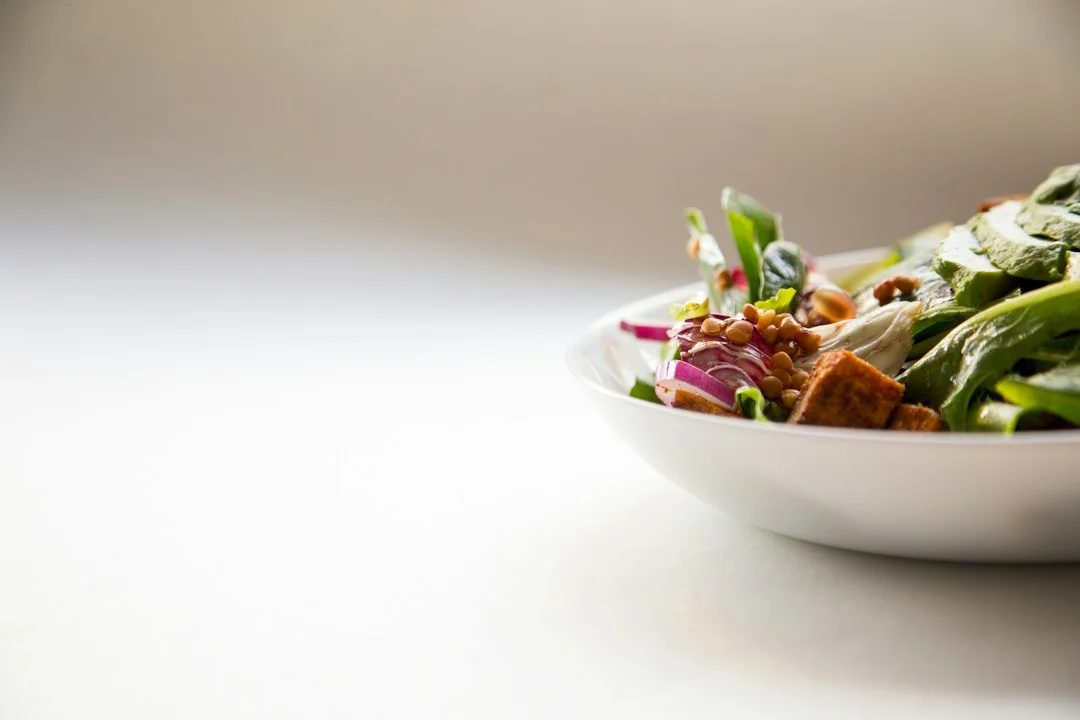
Every single meal includes a big salad - mixed greens or baby spinach, cherry tomatoes, cucumbers, bell peppers, or other raw veggies, avocado for healthy fat and fiber, nuts or seeds, olive oil and balsamic dressing. This has been the usual but it’s also what we grab at the farmers market that’s in season.
Then there are the strategic additions: roasted vegetables like zucchini, bell peppers, broccoli. Portions of quinoa or beans. Sometimes butternut squash or sweet potato. Fresh herbs because they make everything feel special.
A typical meal looks like this:
Monday: Sheet pan dill & caper salmon with broccoli, bell peppers, and butternut squash + chickpea mash with green onions + mixed green salad with avocado
Wednesday: Chili lime chicken skewers with grilled zucchini + mashed chickpeas with za’atar + quinoa salad with black beans and tomatoes
Friday: One-pot creamy garlic pork with butternut squash and spinach + side of roasted kale and sausage + large mixed salad
It’s always protein, vegetables, healthy fats, some complex carbs, and LOTS of volume. These meals are 800-1200 calories of dense nutrition. I’m aiming for at high in protein, plenty of fiber from all those vegetables, and enough healthy fats to keep me satisfied.
The non-negotiables during fasting
Between dinner and the next day’s dinner, here’s what I consume:
Water. So much water. I aim for 80-100 ounces daily. Room temperature, with added minerals since I use a reverse osmosis filter.
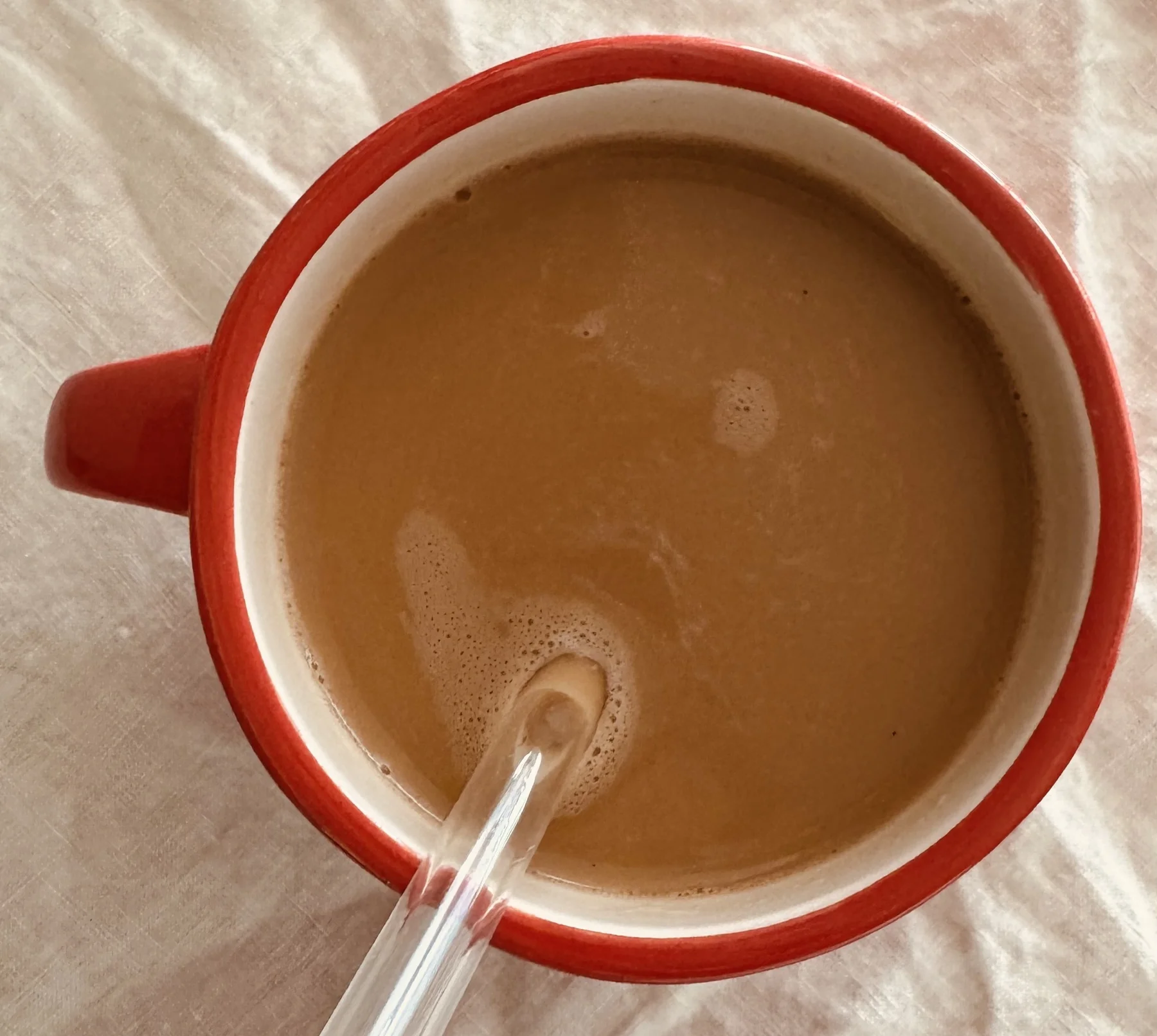
Black coffee - with two additions: I mix in creatine (5g) and MCT oil (1 tablespoon). The creatine supports my muscles (essential when you’re working out regularly). The MCT oil provides clean energy without breaking the fast - the body converts it directly to ketones for fuel and helps keep you feeling full.
Tea - herbal teas, green tea, whatever sounds good. Zero calories, zero sweeteners.
Electrolytes - this is crucial and often overlooked. I drink Dr. Price’s electrolytes because I’m working out and walking daily. When you’re fasting, you’re not getting sodium, potassium, and magnesium from food. You need to supplement these or you’ll feel weak, crampy, and foggy.
That’s it. Nothing else passes my lips for 23 hours.
No “just one bite.” No BLTs (bites, licks, tastes - they all count). No sneaky handfuls of nuts. The fast is clean, and that’s what makes it effective.
The blood sugar connection
You might be curious what happens to blood sugar during OMAD and I’ll tell you it matters tremendously for those managing prediabetes or concerned about metabolic health.
When I eat my balanced, low GI meal, my blood sugar rises gently (I used to wear a CGM to track this) - maybe to 120-130 mg/dL at its peak. Because of all the protein, fat, and fiber, it rises slowly and stays stable. One other thing is I start by eating protein and never start with the carbs.
Over the next few hours, blood sugar gradually decreases as my body processes the meal. Insulin levels drop. This is when most people eating three meals a day would be getting hungry again - but I’m satisfied because I ate enough.
As the fast deepens, blood sugar stabilizes in the 80-90 mg/dL range. Insulin is low. My body starts shifting from using glucose for fuel to using fat stores. This is when the magic begins - cells are becoming more insulin sensitive with every hour.
By the time I’m 13-23 hours into the fast, blood sugar remains beautifully stable (often 75-85 mg/dL). Insulin stays low. My body is accessing stored fat for fuel - including that visceral belly fat. Human growth hormone increases, which helps preserve muscle while burning fat. Autophagy kicks in - the body is cleaning house at the cellular level.
Why this works for metabolic conditions
I spend a lot of time studying and researching metabolic health. If you have prediabetes, insulin resistance, PCOS, or metabolic syndrome, OMAD combined with low GI eating is like giving your body a massive reset button.
Twenty-three hours without food means 23 hours of very low insulin (this may not be ideal for everyone so please check with your doctor). But what happens is your cells get a break from constantly being bombarded with insulin signals. When insulin finally does arrive during your eating window, your cells are more likely to respond appropriately.
That deep belly fat we have is particularly insulin-sensitive (in a bad way). When insulin is chronically elevated, that’s exactly where your body stores excess energy. When insulin stays low for extended periods, that’s exactly where your body pulls fuel from first.
Many of us are dealing with chronic inflammation - the root cause of so many health issues. Extended fasting periods reduce inflammatory markers dramatically. Add in anti-inflammatory low GI foods during your eating window, and you’re tackling inflammation from both sides. It’s fantastic.
Studies show that extended fasting windows can improve insulin sensitivity by 30-40%. That means your body needs less insulin to manage the same amount of glucose. Your A1C comes down. Your fasting glucose drops. And so many more benefits.
The results I’m seeing (24 days in)
Let me be specific because vague “I feel better” claims don’t help anyone.
The belly fat is the most dramatic change. When I grab the fat around my middle - something I do daily because I’m tracking this - there’s significantly less of it. I’d estimate I’m holding 40-50% less fat than I was three weeks ago.
More importantly, I can feel my abdominal muscles again! When I engage my core during workouts, I feel muscle tensing beneath a thinner layer of fat. That sensation was completely gone before. My belly feels more solid, less soft and squishy.
My jeans are also loose in the waist and I haven’t worn jeans in a very long time because of the discomfort. The jeans are not falling-off loose, but comfortable without the belly pooch pushing against the button. And since I’m fasting all day, I never get bloated which typically makes pants even more uncomfortable.
Energy levels might surprise you - my energy is perfectly fine. Nothing notable. I expected to feel tired especially hours after having coffee, but nothing really happens.
I work out every day (strength training or walking) at 10am - a full 16 hours into my fast - and I’m feeling strong.
Mental clarity is hard to explain, but there’s a mental crispness. Focus comes more naturally too. I suspect this is the ketones (from fat burning) fueling my brain more efficiently than glucose. But I need to dive deeper into that idea.
My gut feels calm. No bloating. No discomfort. No heaviness. I’m giving my digestive system 23 hours a day to rest and repair, and it’s responding beautifully.
Simplified life wasn’t a goal, but it’s a wonderful side effect - our grocery bill is down. And I’ll never complain about that. We’re not buying breakfast foods or lunch items. We’re not doing multiple grocery runs. We plan one amazing meal each day, shop for those ingredients, and that’s it.
Time reclaimed feels huge. I’m not thinking about food all day. I’m not meal-prepping for breakfast and lunch. I’m not stopping work for snacks. I have hours back in my day - hours I’m using for writing, movement, work, and projects I care about.
Ok, so what about hunger
The most common thing I get asked is, “aren’t you starving?”
The first three days were challenging. Not unbearable, but definitely an adjustment. My body, like most, was used to eating regularly.
Days 4-7 though the hunger pangs became less intense and less frequent. I started noticing they’d come in waves - maybe 10-15 minutes of “I could eat” followed by complete disappearance of the sensation.
By day 10, hunger wasn’t really an issue anymore. My body had adapted. It knew food was coming at dinner. My body trusted the pattern.
Now, at day 24, I honestly forget I’m “fasting” most of the time. It just feels like how I eat. Sometimes I get slightly hungry around 2-3pm, but it passes quickly. By the time dinner arrives, I’m hungry but not ravenous. I can eat slowly, mindfully, and enjoy every bite.
The key is fat adaptation. Once your body learns to efficiently burn fat for fuel, hunger becomes much less urgent. That’s just how it works. You’re not experiencing the blood sugar crashes that trigger desperate hunger. Your body has access to tens of thousands of calories of stored energy - it doesn’t need food RIGHT NOW.
The creatine and MCT strategy
Alright, let me go back and talk about these two supplements because I thinkg they’re crucial to my success.
Creatine (5g daily in my coffee) helps preserve muscle during fasting, improves strength during workouts, supports brain function (yes, creatine is great for cognition), and helps maintain bone density. I mix 5g of unflavored creatine monohydrate into my morning coffee. It dissolves completely and doesn’t break my fast. I use this one by KSL.
MCT Oil (1 tablespoon in my coffee) stands for Medium Chain Triglycerides - a special type of fat that your body processes differently. It converts directly to ketones (energy for your brain and body), doesn’t require insulin for processing (doesn’t break your fast), suppresses hunger without food, supports sustained energy, and helps with fat adaptation.
Technically, MCT oil contains calories (about 100 per tablespoon). Technically, this might not be a “pure” fast. But practically? It makes OMAD sustainable for me, supports my workouts, and doesn’t interfere with fat burning or insulin sensitivity. I’m getting the benefits I want, and that’s what matters.
How movement fits in to all of this
I work out during my fast - typically around 10am, sixteen hours after my last meal.
You might think this would be impossible. How can you lift weights or walk vigorously without food???
But once you’re fat-adapted, your body has immediate access to fuel. You’re not bonking or hitting walls. You’re not dependent on recently consumed carbs for energy.
My typical movement routine includes 30-40 minutes of strength training OR a 45-minute brisk walk in the morning, movement breaks and stretching throughout the day, and a gentle walk with my husband after eating in the evening.
The strength training is particularly important. When you’re losing weight, you must signal to your body that you need your muscles. Otherwise, your body will happily shed muscle along with fat. Lifting weights tells your body: “We need this muscle. Go get energy from fat stores instead.”
The dinner experience
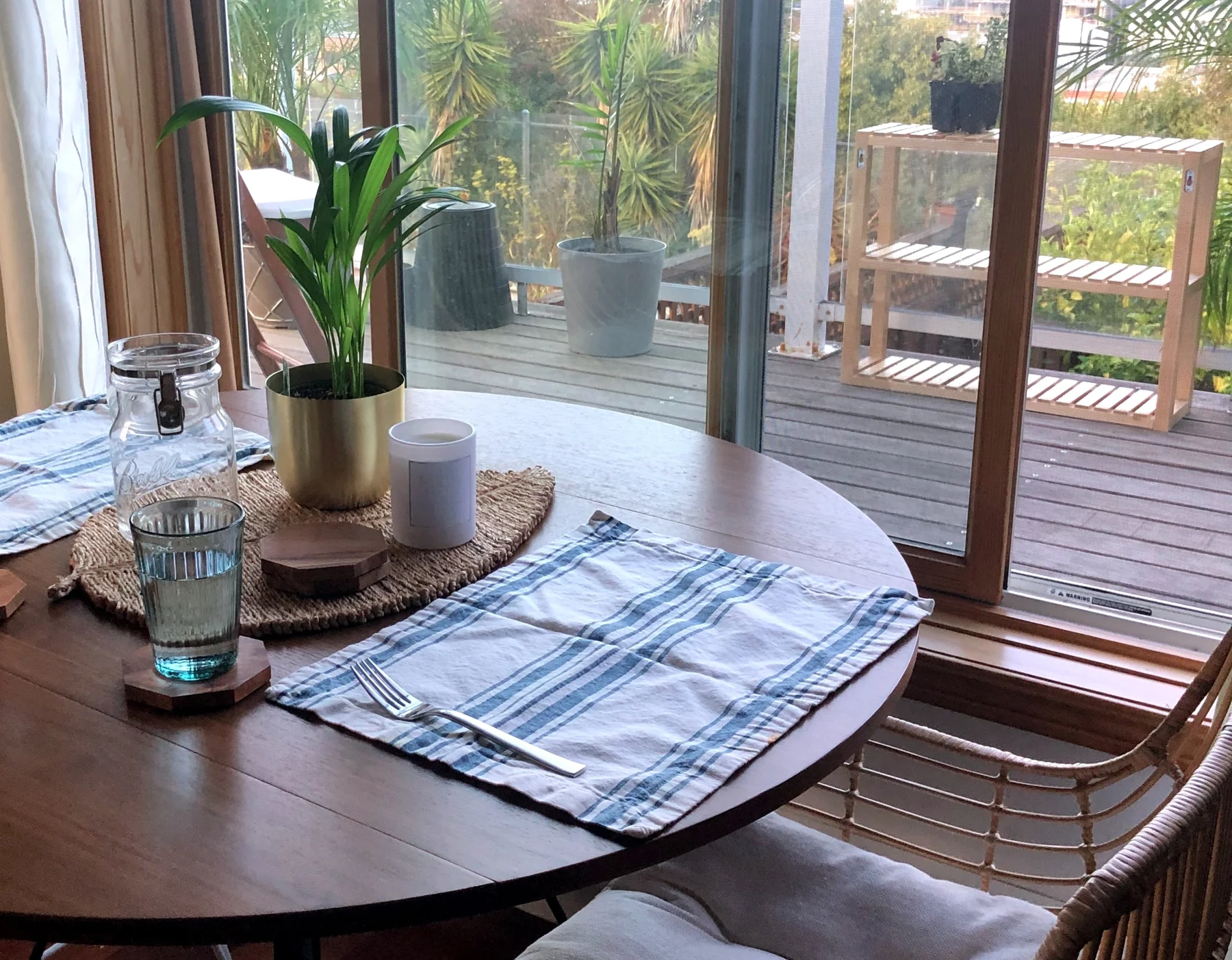
Since this is our only meal, dinner has become special.
My husband and I sit down together. No phones. No TV. We light a candle. We serve ourselves on real plates (not eating from containers). We talk about our day, make plans, connect.
We eat slowly. We notice flavors. We appreciate the fact that this one meal is nourishing us for the next 24 hours.
It’s become a practice of gratitude and presence - something I didn’t expect but absolutely LOVE.
Starting OMAD: a gentle approach
If you’re reading this and thinking “I want to try this,” don’t jump straight to OMAD.
Start with time-restricted eating and work your way down:
Week 1-2: Try 12:12 (12 hours eating, 12 hours fasting)
Week 3-4: Move to 14:10
Week 5-6: Try 16:8 (this is traditional intermittent fasting)
Week 7+: If you’re ready, transition to OMAD
This gives your body time to become fat-adapted. It lets your hormones adjust gradually. It prevents the intense hunger and potential binging that can happen if you jump in too fast. Again, as a nutritionist, I have a lot of practice and experience, so this wasn’t too big of a leap for me. I want you to do what feels right for you and best for you to have success.
During your eating window - especially at OMAD - focus on protein (30-40g minimum, more if you can FIRST), healthy fats (avocado, olive oil, nuts, fatty fish), fiber (vegetables, vegetables, and more vegetables), complex carbs (quinoa, beans, sweet potato - in moderation), and hydration (drink while you eat).
Skip the processed foods, simple sugars, refined grains, and low-nutrient density foods. You CAN have dessert! I go for 70% dark chocolate squares and fruit. I’m typically too full eat anything more.
Listen to your body. If you’re lightheaded, add electrolytes. If you’re truly struggling with hunger, your eating window might need to be longer. If you’re not losing weight, look at what you’re eating (not just when). If you’re losing too much weight too fast, add more healthy fats and complex carbs.
Consider your health conditions. If you have diabetes and take medication, talk to your doctor (your meds may need adjustment). If you have a history of eating disorders, this might not be appropriate. If you’re pregnant or breastfeeding, this is not the time because you and baby need a ton of nutrients. If you’re extremely active (training for marathons, etc.), you may need a longer eating window.
Last note about blood sugar and OMAD
OMAD is not a replacement for medical advice, and it’s not appropriate for everyone with blood sugar issues.
If you’re taking medication for diabetes, your dosing will likely need to change on OMAD. Your blood sugar will drop - potentially dangerously low if you’re still taking the same dose of insulin or other medications. Work with your doctor.
If you have prediabetes, OMAD can be incredibly powerful - but monitor your numbers. Get before and after bloodwork. Track how you feel. Use a CGM.
For me, OMAD plus low GI eating is the most powerful combination I’ve found for reducing visceral fat. But your body might respond differently. Pay attention.
What makes this different
OMAD with low GI principles feels different to me than the hundreds of other combinations I’ve tried.
It’s not about deprivation. I’m eating whole, delicious, satisfying food. I’m not counting calories or weighing portions. I’m not eliminating entire food groups or forcing myself to eat things I hate.
It’s sustainable. I can see myself eating this way long-term. It’s simple. It saves time and money. It doesn’t feel like sacrifice.
It addresses root causes. I’m not just masking symptoms with medication or accepting excess fat as inevitable. I’m improving insulin sensitivity, reducing inflammation, and teaching my body to be metabolically flexible.
My invitation to you
I’m sharing this not because I think everyone should do OMAD. I’m sharing it because I know so many of you are struggling with the same belly fat and other issues and simply not seeing results.
Maybe OMAD isn’t for you. Maybe 16:8 intermittent fasting is more sustainable. Maybe you need to focus just on low GI eating without any fasting window.
Our bodies are capable of healing. Belly fat isn’t permanent. Prediabetes can be reversed. We don’t have to accept decline as inevitable.
But we do have to be willing to try something different. To trust that our bodies know how to use stored fat for fuel - they just need the opportunity.
Let’s talk!
We’re in this together.
With love,
Jen
Nutritionist & Founder, Living Low GI
Disclaimer: I’m a nutritionist, but I’m not your nutritionist. I am not privy to your complete health history. This article shares my personal experience and is not medical advice. Always consult with your healthcare provider before making significant changes to your diet, especially if you have diabetes, take medications, or have other health conditions.