

Chocolate, bread, candy, french fries, chips, ice cream, steak, butter, eggs—it really doesn’t matter what you crave. It’s not about the what, it’s why you crave what you crave.
Most people think that cravings are the problem, and I have a very different perspective on this. Our bodies are extremely reliable in giving us information—it never makes mistakes. Cravings are simply pieces of information that help you understand what your body needs.
Through my training, working with others, and actually living this low glycemic lifestyle, I learned that cravings are messengers. Your body trying to communicate with you in the only language it has.
Think about it for a second. When a baby cries, we don’t tell them to just stop crying. We try to figure out what they need. Hungry? Tired? Uncomfortable? We investigate.
The same applies to the many cravings we have. And this is not just about sugar cravings or addiction… it’s about food based cravings like:
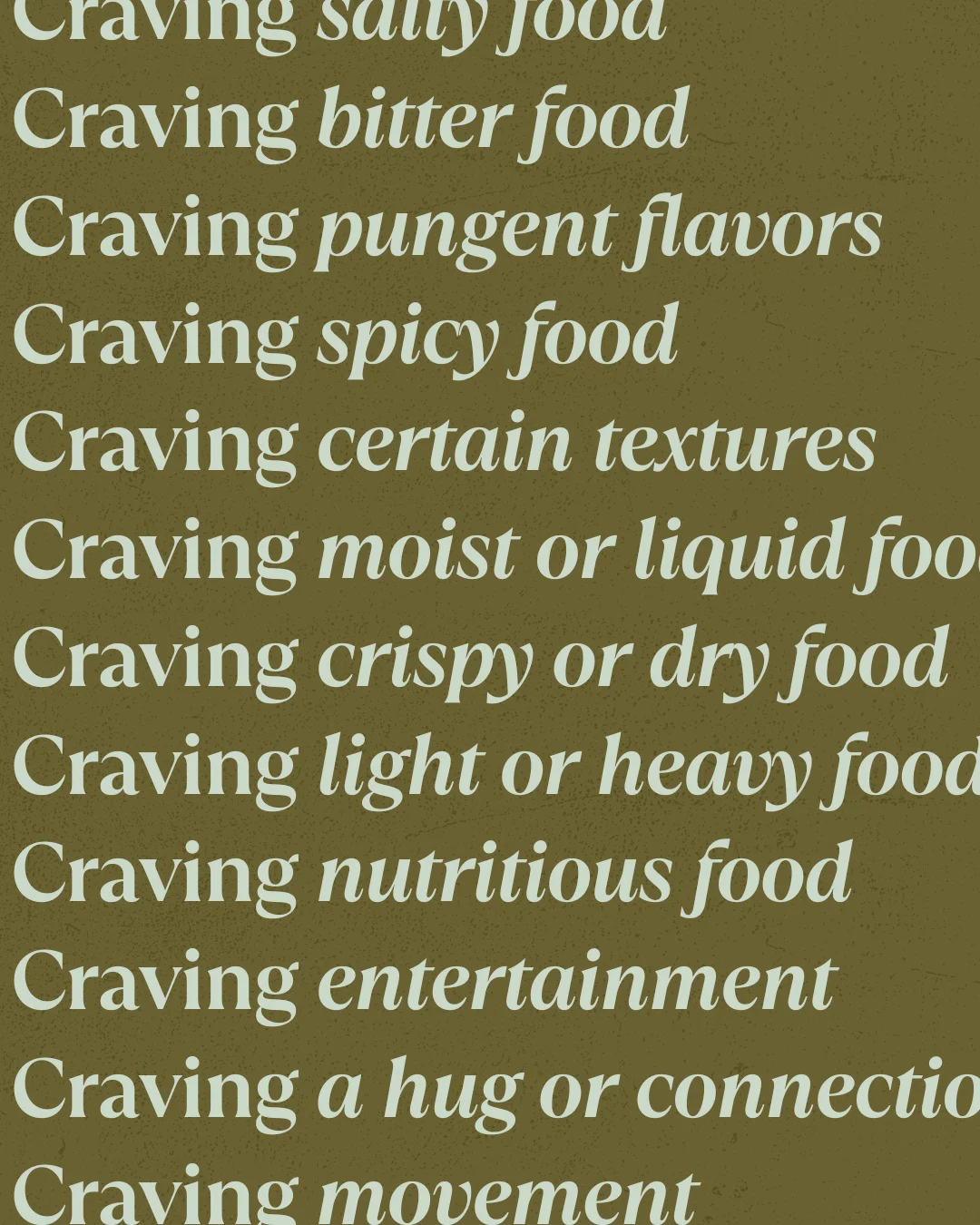
Craving salty food
Craving bitter food
Craving pungent flavors
Craving spicy food
Craving certain textures
Craving moist or liquid food
Craving crispy or dry food
Craving light or heavy food
Craving nutritious food
And also non-food cravings like:
Craving entertainment
Craving a hug or connection
Craving movement
Sometimes we crave food for emotional reasons. Maybe we’re looking for excitement in our lives or looking for comfort after a stressful situation. This is kind of an emotional feeding rather than being about food. It’s about the emotion the food creates.
And let me be clear, none of this is about cravings being labelled as “good” or “bad”, it’s about seeing these cravings/signals as neutral and being curious about what they mean. Because we often label cravings as a bad thing, and even more, we make these cravings mean something bad about ourselves. Neither is true, a craving is a craving — it’s just information—and once you understand that you can navigate them with peace and patience and curiosity instead of letting them stress you out.
Welcome to Sunday Servings—a series where I sit down with you to talk about the nutrition and lifestyle topics that feel complicated or overwhelming. Every Sunday, I’m breaking down one topic and serving it up in a way that actually makes sense—clearing up the confusion and giving you what you actually need to know. Think of this as your weekly serving of clarity—so you can leave feeling informed, empowered, and honestly just better equipped to take care of yourself.
We need to talk about sugar first
Let’s start with the big one, because if you’re dealing with insulin resistance or sensitivity, sugar cravings are probably running a good portion of your life right now. And these micro shifts are sometimes all that’s needed to give our insulin response a break and therefore breaking what seems to be a lifelong “spell”.
Humans are literally wired to crave sweet tastes. For millions of years, sweet meant safe. Sweet meant energy. Sweet meant survival.
What’s changed though is the sweet foods our ancestors ate came with fiber, nutrients, and all the things that helped the body process them slowly. An apple. Wild berries. Root vegetables.
Today’s sweet foods are a completely different story.
When you eat something with refined sugar—a cookie, candy, even that “healthy” granola bar with hidden sugars—your blood sugar shoots up fast. And before you know it, you’re reaching for more sugar to bring yourself back up. This is biochemistry.
Simple vs. complex carbs and what the…
Alright, understanding simple versus complex carbohydrates becomes really important here, especially for those managing insulin resistance.
Simple carbohydrates break down fast. White bread. Candy. Most processed foods. They flood your bloodstream with glucose quickly, which feels great for about 30 minutes, and then you crash. This is a normal response.
Complex carbohydrates take longer to break down. Whole grains. Vegetables. Legumes. They release glucose slowly and steadily, keeping your energy stable and your cravings manageable. This is also a normal response.
In real life, it could look like this:
If you have a white bagel for breakfast, you might feel energized at 8am, starving by 10am, reaching for something sweet by 10:30am, and tired by 3pm when you’ll “need coffee”. That’s called a roller coaster—not the fun kind.
On the flip side, if you have steel-cut oats with nuts and berries, you’ll likely feel satisfied until noon, have steady energy all morning, and not even think about snacking. That’s called stable blood sugar—can be very fun.
If you have insulin resistance, choosing option two gives your body a chance to heal. Every time we choose a complex carbohydrate over a simple one, we’re giving our insulin response a well deserved break.
When your body is hungry for nutrition (not just calories)
You can be overfed and undernourished at the same time.
If you’re eating processed foods all day, you’re getting plenty of calories. But you’re not getting the vitamins, minerals, and nutrients your cells actually need to function. So your body keeps sending hunger signals, trying to get what it needs.
This is why you can eat a huge meal and still feel unsatisfied. Your body isn’t asking for more food—it’s asking for more nutrition.
This was huge for me when I was transitioning to low glycemic eating. I realized that when I was craving something, sometimes it wasn’t about the food itself—it was about what my body was missing.
Craving chocolate? Maybe I needed magnesium. Craving salty snacks? Probably mineral deficient. Wanting something creamy? My diet might have been too dry and restrictive.
It’s about balance.
Why extremes create more cravings (contracting and expanding foods)
Some foods make your body feel tight and contracted—like meat, eggs, hard cheese, and salt. Other foods make your body feel expansive and loose—like sugar, alcohol, and caffeine.
When you eat too much of one, your body naturally craves the other to create balance.
Ever notice how after eating a big, heavy, salty meal you crave something sweet? Or how after eating a bunch of sugar you crave something salty and substantial? That’s your body trying to find equilibrium. When I tell you the body is smart…
This is why the restrict-binge cycle is so common. You eat “perfectly clean” all day (lots of lean protein, salads, nothing “bad”), and then at night you find yourself standing in front of the pantry eating crackers straight from the box. (This was me a few nights ago… but hey, at least I know why! 😅)
Put accurately, your body is just trying to balance out.
8 reasons you’re craving what you’re craving
Let me share the eight most common triggers for cravings—once you know what’s really going on, you can address the actual issue instead of just fighting the symptom:
1. You’re not actually hungry for food
Sometimes what feels like a food craving is really a craving for something else entirely. Maybe you’re bored at work. Maybe you’re lonely. Maybe you need a break but taking one feels indulgent, so you grab a snack instead.
Food becomes the stand-in for what we really need—connection, rest, joy, purpose.
2. You’re dehydrated
This is so common it’s almost embarrassing. By the time you feel thirsty, you’re already dehydrated. And guess what? Mild dehydration feels exactly like mild hunger.
Before reaching for a snack, try drinking a full glass of water and waiting 10 minutes. You’d be surprised how often the craving disappears.
When I taught this to my husband he was surprised by how true it was. But now, he lovingly jokes with me about it. Whenever I’m binge watching a show and want a snack (because snacking while watching a show makes the show better), he looks at me and says, “honey, maybe you’re just thirsty!”.
3. You’re eating too many extreme foods
If your diet is very restrictive (all protein and vegetables, nothing comforting), or very loose (lots of sugar and processed foods), your body will crave the opposite to find balance.
The goal is to eat mostly in the middle—whole, nourishing foods that don’t send your body into panic mode in either direction.
4. You’re craving foods from your past
Our childhood foods have power over us. Sometimes a craving isn’t about nutrition at all—it’s about comfort, nostalgia, or connection to our roots.
This isn’t bad. But it’s helpful to recognize it. When I’m craving my grandmother’s cooking, I can make it with some better swaps that honor the memory while also serving my health needs.
Also, the other day I was in the store buying candles and there was one that smelled like Fruity Pebbles. I was instantly taken back to Saturday mornings watching cartoons eating cereal on the floor with my siblings. Instead of going to buy the cereal though, I texted my brothers and said “remember when…” and we had a good time reminiscing. This truly and wonderfully fed that craving.
5. Your body wants seasonal foods
Ever notice how you crave different things in summer versus winter? That’s natural. In hot weather, our bodies want cooling foods—fresh fruit, raw vegetables, lighter meals. In cold weather, we want warming, grounding foods—soups, roasted vegetables, heartier dishes.
Fighting these seasonal cravings usually backfires. Go with the flow.
6. You’re missing key nutrients
This is huge with insulin resistance. If you’re not getting enough nutrients—especially minerals—your body will keep sending hunger signals.
This is why I’m such a big advocate for eating plenty of vegetables, especially leafy greens, at every meal. They’re packed with minerals that can dramatically reduce cravings.
7. Hormonal changes
For women especially, hormonal fluctuations during your cycle, pregnancy, or menopause can create intense cravings. This is normal and natural.
The key is recognizing it and planning for it, rather than being caught off guard and making choices you regret later.
8. You’re doing too well (the self-sabotage craving)
This one’s sneaky. Sometimes when things are going really well—you’ve been eating well, feeling great, seeing progress—suddenly you get hit with an intense craving that seems to come out of nowhere.
This is often your brain’s way of trying to bring you back to familiar territory. Change, even positive change, can feel scary.
The magic of crowding out (instead of cutting out)
I talk a lot about this, but my favorite strategy for dealing with cravings is the opposite of what most diet advice tells you to do:
Instead of taking away the foods you crave, add in more nourishing foods first.
In the nutritionist world we call this “crowding out,” and it’s genuinely changed everything for me and my clients.
Instead of saying “I can’t have that cookie,” you say “Let me make sure I’ve had plenty of vegetables and protein today first.”
When you fill up on nutrient-dense, blood-sugar-stabilizing foods, two things happen:
You have less physical room for the less healthy stuff
Your body gets the nutrition it actually needs, so the cravings naturally decrease
This is why I always tell my clients—add before you subtract. Crowd out rather than cut out.
Start your day with a nourishing breakfast that includes protein and fiber. Have a big, colorful salad with lunch. Keep cut vegetables in your fridge. Drink plenty of water.
Once those things are in place, you’ll often find the intense cravings for junk food just... fade. Not because you’re being restrictive, but because your body is actually satisfied.
What your body is really asking for: a translation guide

When you get a craving, it’s easy to think your body is just being difficult. Maybe you believe you’re addicted to sugar or that you lack willpower. But most of the time, your craving is your body trying to tell you something specific. It’s asking for a particular nutrient, a certain quality, or trying to correct an imbalance.
Let me walk you through the most common cravings and what they actually mean.
When you’re craving something sweet
What’s really happening: Your body is asking for energy. When sugar is digested, it becomes glucose—fuel for all your cells. But not all sweet foods are created equal.
If you’re constantly craving sweets, especially in the afternoon, it usually means one of three things:
Your blood sugar crashed from eating too many simple carbs earlier
You’re not eating enough complex carbohydrates throughout the day
Your body is actually looking for the sweet taste that naturally occurs in whole foods
Sweet cravings are completely natural. For millions of years, humans sought out sweet tastes because they indicated safe, energy-rich foods. The problem today is that we’ve replaced naturally sweet whole foods with isolated, refined sugars that cause that blood sugar roller coaster we talked about.
What to try instead:
Start with naturally sweet vegetables. Roasted carrots, beets, sweet potatoes, winter squash, and even onions develop a deep, satisfying sweetness when cooked. I’m talking about the kind of sweetness that actually makes you feel nourished, not the kind that makes you want more five minutes later.
Fresh fruit is another option, especially berries, which are lower on the glycemic index. Pair them with some almond butter or a handful of nuts to keep your blood sugar stable.
If you need something more substantial, try a small piece of dark chocolate (70% cacao or higher). The fat and lower sugar content mean it won’t spike your blood sugar the way milk chocolate will.
Herbal teas with cinnamon, licorice root, or fennel can also satisfy sweet cravings without any blood sugar impact. I used to keep cinnamon tea at my desk for those afternoon moments when I was tempted by the vending machine.
The low GI approach: When you do have something sweet, make sure it comes with fiber, fat, or protein. Have that apple with almond butter. Add nuts to your oatmeal. This slows down the absorption of sugar and keeps your blood sugar stable, which means you won’t be craving more sugar an hour later.
When you’re craving something salty
What’s really happening: Salt cravings often indicate mineral deficiency. Now, sodium deficiencies are actually rare—especially in the U.S. where most processed foods are loaded with salt. But refined table salt has been stripped of the 60+ trace minerals that natural sea salt contains.
These trace minerals—like magnesium, potassium, calcium, and zinc—are the building blocks for vitamins, enzymes, and proteins in your body. When you’re low on minerals, your body will keep asking for salt, trying to get what it needs.
This is especially true if you’ve been eating a lot of processed foods. They’re often high in sodium but low in actual minerals, so your body stays in deficit even though you’re consuming plenty of salt.
What to try instead:
Switch to a high-quality sea salt or Himalayan pink salt for your cooking. The minerals in these salts can actually help reduce your overall salt cravings.
Eat more mineral-rich vegetables, especially dark leafy greens like kale, collards, and Swiss chard. These are packed with the minerals your body is actually looking for.
Sea vegetables like nori, kelp, and dulse are incredibly mineral-dense and have a naturally salty flavor. I add a strip of kombu to my soups and beans while they’re cooking—it adds minerals and a subtle umami flavor without being “seaweedy.”
Other good options: olives (get the kind without added sugar), pickles (naturally fermented ones, not the bright green grocery store kind), miso soup, or vegetables seasoned with good sea salt.
The low GI approach: If you’re craving chips or pretzels, try roasted chickpeas seasoned with sea salt and spices. Or make your own veggie chips by thinly slicing sweet potatoes or zucchini, tossing with olive oil and sea salt, and baking until crispy. You get the crunch and salt without the blood sugar spike.
When you’re craving something bitter
What’s really happening: Bitter cravings are actually one of the healthiest signals your body can send. Bitter foods enhance digestion and stimulate the production of digestive juices, including bile, which helps you break down fats.
If you’re craving bitter flavors, it might mean:
Your digestion needs support
You’ve been eating a lot of rich, fatty foods and your body needs help processing them
Your liver is working hard and needs some assistance
The problem is that most modern diets contain almost no bitter foods. We’ve eliminated them in favor of sweet, salty, and savory. So when your body asks for bitter, most people reach for coffee or dark beer—which do provide that bitter taste but come with their own issues (caffeine crashes, alcohol’s effect on blood sugar).
What to try instead:
Dark leafy greens are your best source of healthy bitter flavors. Dandelion greens, mustard greens, arugula, radicchio, and endive all have that pleasant bitter edge that helps with digestion.
I like to massage kale or collards with a bit of olive oil and lemon juice to soften them, then add them to salads. The bitterness mellows but still provides the digestive support your body is asking for.
Bitter herbs like parsley, cilantro, and dill can also satisfy this craving when added generously to meals.
If you’re a coffee drinker dealing with insulin resistance, you might want to experiment with green tea or matcha instead. They have a pleasant bitter note with less caffeine, and they actually help stabilize blood sugar rather than spiking it.
The low GI approach: Start your meals with a small salad that includes bitter greens. This will get your digestive juices flowing before you eat your main course, which helps with blood sugar management. It’s one of the reasons why the European tradition of starting with a salad makes so much sense.
When you’re craving pungent flavors
What’s really happening: Pungent flavors—like fresh ginger, garlic, onions, and radishes—have a warming, stimulating effect on the body. In Traditional Chinese Medicine, these foods are considered beneficial for the lungs and large intestine.
If you’re craving pungent flavors, it often means:
Your circulation needs a boost
Your digestion is sluggish
You might be fighting off a cold or dealing with congestion
Your body wants to break through stagnation
What to try instead:
Fresh ginger is incredible for digestion and circulation. I keep fresh ginger root in my freezer (it’s easier to grate when frozen), and I add it to stir-fries, soups, and tea throughout the day.
Raw garlic, onions, scallions, and leeks all provide that pungent quality your body might be asking for. They’re also amazing for immune support and have natural anti-inflammatory properties.
Radishes, both red and daikon, give you that sharp, pungent bite. They’re great sliced thin in salads or pickled as a condiment.
Black pepper, cayenne, and horseradish also fall into this category. A little goes a long way.
The low GI approach: Instead of ordering heavily sauced Chinese food when you’re craving these flavors (which often comes with sugar-laden sauces), make a simple stir-fry at home with plenty of fresh ginger, garlic, and scallions. Serve it over brown rice or cauliflower rice with your protein of choice.
When you’re craving spicy foods
What’s really happening: This is related to pungent cravings but worth addressing separately. Intense spicy cravings often indicate that your body has become somewhat stagnant—your circulation has slowed down, your blood has become thicker or more viscous, and your organs and extremities aren’t getting enough warmth and flow.
This often happens when:
You’ve been eating a very heavy, processed food diet
You’re sedentary or not moving enough
You’re chronically dehydrated
Your body is trying to create warmth and movement
Spicy foods increase circulation and create warmth in the body. That’s why you might crave them more in winter or when you’re feeling sluggish.
What to try instead:
Rather than reaching for heavily processed spicy foods (pizza with hot peppers, jalapeño poppers, buffalo wings with their sugar-laden sauces), try incorporating spices into home-cooked meals.
Cayenne pepper, red pepper flakes, fresh chili peppers, and hot sauce (check the ingredients—avoid ones with sugar) can all be added to meals you’re already making.
I keep hot pepper sesame oil in my kitchen and add a few drops to soups, stir-fries, and even scrambled eggs. It gives that spicy kick without all the other junk.
Make a simple sauce with olive oil, lemon juice, crushed red pepper, and garlic to drizzle over roasted vegetables or grilled protein.
The low GI approach: Add spice to meals that already have a good protein, fat, and fiber base. Spicy chicken with vegetables over quinoa. Spicy black bean soup with avocado. This way you get the warming, circulation-boosting effects without the blood sugar chaos.
When you’re craving something crunchy
What’s really happening: Cravings for crunchy foods often mean one of two things:
You’re not chewing your food enough
You need to release tension or stress
The act of chewing is actually really important for digestion. When you chew thoroughly, you break down food into smaller particles and mix it with saliva, which contains digestive enzymes. If you’re eating soft, mushy foods all the time or eating too quickly, your body might start asking for something that forces you to chew.
The tension-release aspect is real too. There’s something satisfying about the physical act of crunching that helps release stress. It’s why people often reach for chips or pretzels when they’re anxious.
What to try instead:
Raw vegetables are your best option here. Carrots, celery, cucumber, bell peppers, snap peas, radishes—all of these provide that satisfying crunch with virtually no blood sugar impact.
Keep them prepped in your fridge with easy access. I cut up a bunch of vegetables on Sunday and keep them in glass containers with a bit of water to stay crisp.
I love having dips with my veggies. Hummus, tzatziki, or homemade mixing greek yogurt with a packet of ranch powder. (more on this in the next section: creamy)
Nuts and seeds are another great option. Raw almonds, walnuts, pumpkin seeds, and sunflower seeds all give you that crunch plus healthy fats and protein.
Roasted chickpeas are one of my favorite crunchy snacks. Toss them with olive oil and spices, roast until crispy, and you have a blood-sugar-friendly alternative to chips.
The low GI approach: If you’re craving something crunchy and substantial, make sure you’re eating enough fiber throughout the day. Low-fiber diets leave you feeling unsatisfied and searching for something with more texture. Also, practice chewing each bite of food 20-30 times, even the soft foods. This might reduce your crunchy cravings overall.
When you’re craving something creamy
What’s really happening: Creamy cravings usually indicate that your diet has been too dry or restrictive. If you’ve been eating a lot of baked goods, crackers, dry protein, and raw vegetables without enough healthy fats or moisture, your body will start asking for something rich and smooth.
This craving often shows up when:
You’re not eating enough healthy fats
Your meals are too “diet-like” (plain chicken breast and steamed broccoli every day)
You need more satisfaction and satiety from your food
You’re emotionally seeking comfort
What to try instead:
Avocado is nature’s perfect creamy food. It’s rich, satisfying, and loaded with healthy monounsaturated fats that help stabilize blood sugar. I add it to salads, smoothies, or just eat it with sea salt and lemon juice.
Nut butters—almond, cashew, tahini—provide that creamy texture plus protein and healthy fats. A spoonful of almond butter when you’re craving something creamy can be incredibly satisfying.
Full-fat coconut milk or coconut yogurt (unsweetened) gives you that luscious texture without dairy if you’re sensitive to it.
Hummus and other bean dips provide creaminess with added fiber and protein.
For smoothies, frozen banana creates an incredibly creamy texture without any added dairy or sweeteners.
The low GI approach: The key with creamy cravings is to recognize that fat is not the enemy. Healthy fats are essential for blood sugar control, hormone production, and satiety. If your diet is too low in fat, you’ll constantly feel unsatisfied and crave rich, creamy foods—often in their less healthy forms like ice cream or processed cheese.
Add a tablespoon of olive oil to your vegetables. Include avocado with meals. Choose full-fat dairy if you tolerate it (the fat actually lowers the glycemic impact). Make creamy soups using cauliflower, white beans, or cashews as a base instead of cream.
When you’re craving something rich and satisfying
What’s really happening: This is different from creamy cravings. When you’re craving something rich, your body is usually asking for:
More fat (for sustained energy and satiety)
More protein (for building and repair)
More nourishment in general
This craving often comes up when you’ve been trying to eat “light” or “clean” for a while, and your body is basically saying, “That’s nice, but I need substance.”
What to try instead:
Focus on meals that include quality sources of both protein and fat:
Wild-caught fatty fish like salmon, sardines, or mackerel
Grass-fed meat if you eat it
Eggs cooked in butter or olive oil
Full-fat dairy if you tolerate it
Nuts, seeds, and nut butters
Avocado
Olive oil, coconut oil, or ghee in your cooking
These foods are deeply nourishing and satisfying. They keep your blood sugar stable for hours and reduce cravings overall.
The low GI approach: Build your meals around protein and healthy fats, then add complex carbohydrates and plenty of vegetables. This creates the most satisfying, blood-sugar-stable meals possible.
A rich, satisfying meal might look like: salmon cooked in butter with roasted Brussels sprouts and sweet potato. Or a frittata loaded with vegetables and cheese. Or a big bowl of chicken soup with beans and vegetables.
When you’re craving comfort food
What’s really happening: Comfort food cravings are usually more emotional than physical. You’re not necessarily low on any specific nutrient—you’re looking for the feeling that certain foods provide.
Maybe it’s your grandmother’s recipe that makes you feel loved. Maybe it’s the pizza you used to order with friends. Maybe it’s the mac and cheese that meant someone was taking care of you when you were sick. Maybe it’s the fruity pebbles you used to eat on the floor while watching cartoons with your siblings.
These cravings are valid and important. They’re about more than just food.
What to try instead:
You don’t have to give up comfort foods. You just need to figure out how to make them work for your blood sugar.
Almost every comfort food can be recreated with low glycemic ingredients:
Pasta → chickpea or lentil pasta
White rice → basmati rice with added lentils and quinoa
Pizza → cauliflower crust or sourdough crust loaded with vegetables
Mac and cheese → made with whole grain or chickpea pasta and real cheese
Mashed potatoes → half potatoes, half cauliflower
The goal isn’t to eliminate comfort, it’s to find ways to honor your needs while also honoring your body’s health.
The low GI approach: When you’re craving comfort food, make sure you’re also addressing the emotional need underneath. Are you stressed? Lonely? Tired? Overwhelmed? Food can be part of the comfort, but it probably shouldn’t be the only solution.
And when you do have comfort food, eat it mindfully. Sit down. Put it on a real plate. Taste it. Enjoy it. Don’t eat it standing over the sink feeling guilty. That doesn’t serve anyone.
The non-food cravings we don’t talk about enough
Sometimes what feels like a food craving is actually your body asking for something completely different:
Craving entertainment? You might be bored. Try taking a walk, calling a friend, or working on a creative project instead of raiding the pantry.
Craving a hug? Connection and touch are human needs. Recognize when you’re eating for emotional comfort and see if you can address that need directly.
Craving movement? If you’ve been sitting all day, your body might be restless. A five-minute stretch or walk around the block might be what you actually need.
Craving rest? When we’re exhausted, we often reach for sugar or caffeine instead of acknowledging that we need to slow down.
The point isn’t to never eat for comfort or pleasure—that’s part of being human. The point is to develop enough awareness that you can tell the difference between physical hunger and other needs.
Your body is on your side… truly
Your body is trying to keep you alive and functioning. That’s its one job. Every craving is information.
Instead of fighting your cravings, get curious about them. Ask yourself:
What did I eat earlier today?
How much water have I had?
What’s going on emotionally?
What might my body actually be asking for?
When you start treating your cravings as messages instead of failures, you see things differently and it all becomes… lighter.
And you can build a way of eating that’s sustainable because it’s not based on restriction and deprivation.
Living low glycemic isn’t about never wanting sweet things again. It’s about understanding why you want them and having tools to respond in a way that serves your body.
It’s about building a life where your blood sugar is stable, your energy is steady, and you’re not spending mental energy all day fighting cravings.
That’s freedom. And it’s absolutely possible for you.

Your Turn: Get Curious Instead
This week, I want you to try something different. When you feel like you can’t control your cravings, get curious instead.
Don’t judge the craving. Don’t try to power through it. Just pause and ask:
What am I actually craving? (Sweet? Salty? Crunchy? Comfort?)
When did this craving start?
What have I eaten today?
How do I feel right now? (Tired? Stressed? Bored? Lonely?)
What might my body actually be asking for?
Keep a simple journal for a few days. You don’t need to write essays—just quick notes: “3pm - craving chocolate - lunch was just a salad - probably need more protein and fat” “Evening - craving chips - bored and restless - maybe need to move or do something” “After dinner - craving ice cream - actually just want something sweet to signal end of meal”
The goal isn’t to fix anything right away. It’s just to notice. To develop a relationship with your body where you’re listening instead of fighting.
You might be surprised by what you discover.