

One of the basics I learned in Nutrition School was that we should focus on “crowding out” and not restriction. This essentially means that the more healthy foods you add to your diet, naturally less helpful foods will be removed. You can only eat so much, right?
So in this post I’m going to go through three common staples and how you can ADD to them or swap them to make them kinder to your blood sugar levels.
Before we go any further, I understand that it’s common to believe that eating carbs is a no no for the low glycemic diet. That carbs are what cause diseases like type 2 diabetes. But research continues to show year after year that it’s not necessarily about carbs, it’s about isolated carbs and unhealthy fat.
When doctors give their “diet” recommendations, it’s usually just: cut out white carbs (rice, pasta, breads) and exercise more. I’ve seen hundreds of doctors’ notes in my career and they always say the same thing. I want to share that doctors are not highly trained in nutrition—nutrition is actually a very small piece of their training. That’s because there are nutrition & dietetics studies for those who choose that specific path. Most of the time your doctor will not be the one to give you nutrition advice, but will refer you to a nutritionist or dietitian.
And a dietitian or nutritionist will never tell you that all foods are off limits (unless you have a medical requirement or allergy). They will never have you strip the foods that you love, your cultural foods, the ones that bring you joy, etc. They will however teach you how to still enjoy those foods in moderation or in new creative ways. That’s my method as well. The last thing I’ll say here before we jump in because I think context and knowledge is absolutely everything, when it comes to diet, there is no one size fits all. You have your own unique set of circumstances. Your own life experience. Your own body. So you should apply these principles as they fit into your life.
Let’s get to it.
Rice
Yep, I’m coming out the gate swinging.
I remember when my dad got his pre-diabetes diagnosis. He was shocked, and I’ll admit I was too. But what was more alarming is that he is someone who follows his doctors advice to a T. And so when the doctors note said no rice, no pasta, no bread, he tossed everything out!
Your rice options:
White Basmati - this type is already lower on the glycemic index. Add protein and healthy fat to it! Add lentils and/or quinoa.
Brown Basmati
Parboiled
White Jasmine
White rice (any type)
Brown rice (any type)
Frozen Rice — just as good as making it yourself. As with all frozen produce and grains, they are flash frozen to retain nutrients. Some frozen fruits and vegetables are actually more nutrient dense that fresh. Believe or not!
Risotto - my husband is from Italy. He makes a fantastic pumpkin sage risotto. Look:
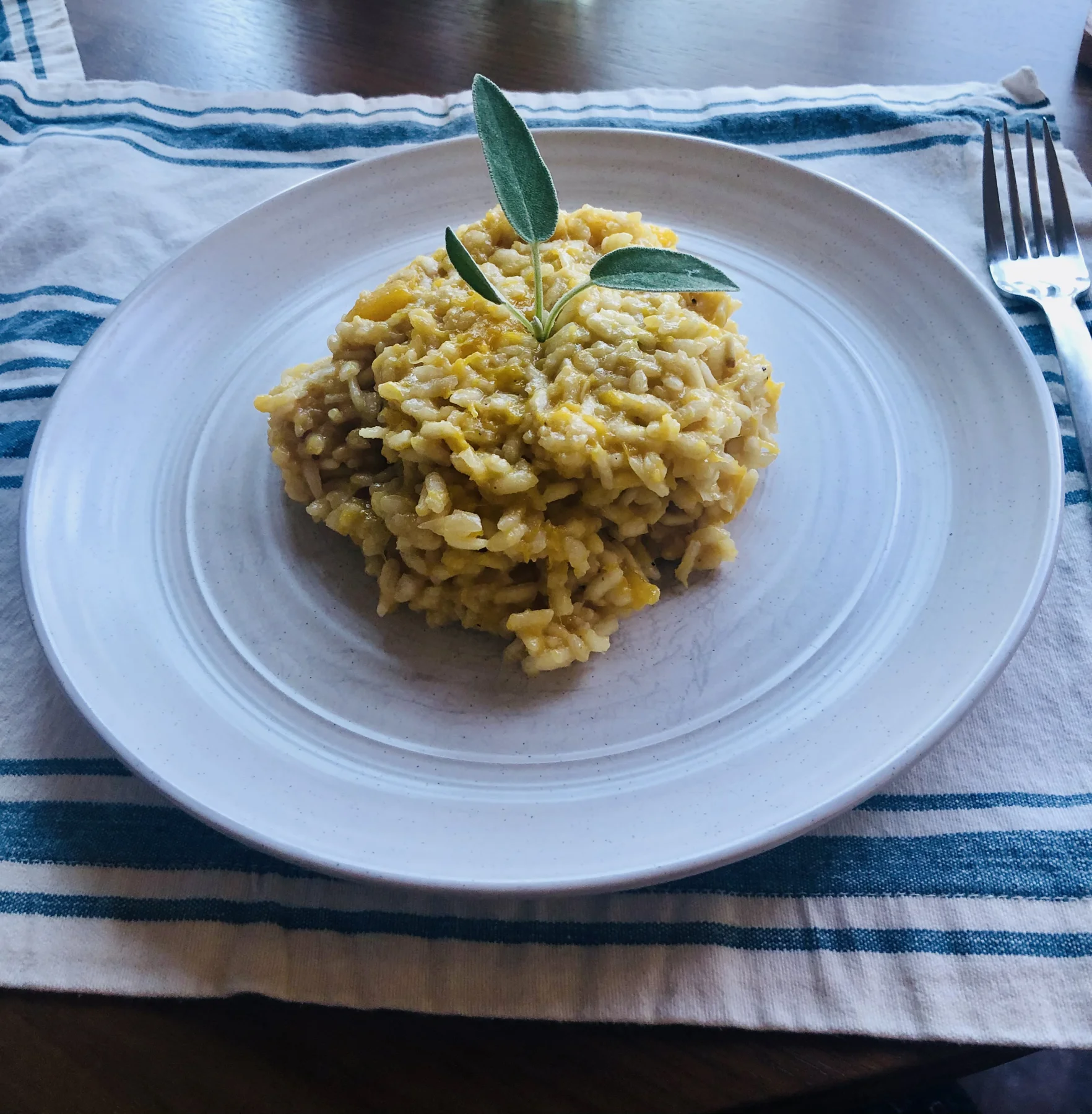
Typically with cultural foods other than my own, I try not to alter them. Also, Italian food is the exception to many of the low glycemic diet rules because they use a cooking method called “al dente” meaning, “with bite” or “to the tooth”, and this helps the grains retain a lot of their resistance and digest much more slowly than the pasta dishes we’re used to at least in the U.S. Italians also follow an eating pattern that is antipasti, first plate, second plate. So you’re always starting with something fresh and typically non-carby which is ideal in a meal setting. I’m on a tangent, let’s save this for another day.
Risotto is a fine option. I recommend having veggies, healthy fats, and protein before diving in.
Alright, how can we make rice low GI?
In a rice cooker, add 1 cup of white basmati rice
Add 1/2 lentils and 1/2 of quinoa
Fill with water OR fill with chicken broth or bone broth of your choice
Add a tablespoon of extra virgin olive oil or ghee
Cook
What you get with this really hearty, flavorful tasting rice that much more nutrition dense. If you wear a Continuous Glucose Monitor, you’ll notice how well this works.
So, why is it so common to say “get rid of rice!” when it comes to blood sugar and diabetes management? It’s common because physicians are giving standard advice based on the standard American diet. A diet that is filled with nutrient deficient processed foods, fast food, high fat, high sugar, with very little fiber and nutrition. So instead of asking you about your diet, it’s assumed your diet is the standard American diet, so you get standard advice, “no rice!”. Because there is a world where if you have a fairly unhealthy diet, cutting carbs will drastically help you. But if you already follow healthy principles? It’s clearly more nuanced than that.
Important PSA:
You will do well to get a rice cooker. Yes, you can make rice in a sauce pan, but a rice cooker will make your life SO much easier, and it makes perfect rice every single time.
Bread
The food we’ll talk about is one of the most beloved. The number of clients I’ve worked with over the years that come to me with wide eyes and slight dread say, “will I have to give up bread?” I honestly think it’s the most painful one because bread creates some of the most easy and convenient meals and it’s literally everywhere. I’m happy to say that you don’t have to give up bread. There are plenty of low glycemic bread options as well as ways to lessen the impact on your blood sugar.
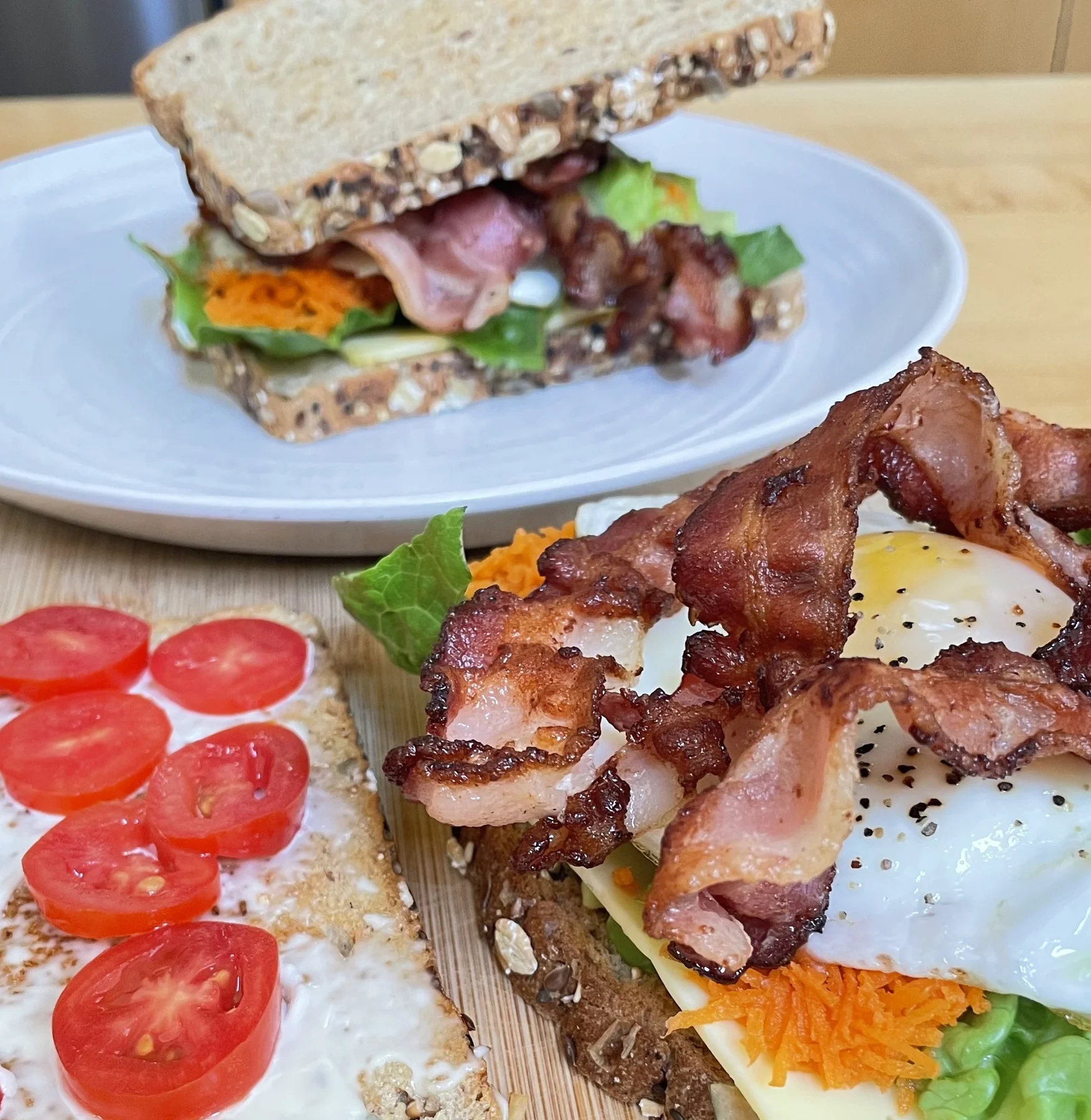
Your bread options:
Whole wheat bread: Made from whole wheat flour, this type of bread retains the natural fiber and nutrients found in the wheat grain. Whole wheat bread typically has a lower GI compared to white bread, making it a healthier option also. It’s also going to be the “closest” to regular white bread on this list. Look for bread labeled as “100% whole wheat” to ensure you are getting the full nutritional benefits.
Sprouted grain bread: Sprouted grain bread is made from grains that have been allowed to sprout before being ground into flour. The sprouting process increases the bread’s nutritional value by breaking down complex carbohydrates into simpler forms, making them easier to digest. Sprouted grain bread tends to have a lower GI and higher protein content.
Rye bread: Rye bread is made from rye flour, which has a lower GI compared to wheat flour. It is often denser and has a more robust flavor compared to other types of bread.
Multigrain bread: Multigrain bread is made from a combination of different grains, such as wheat, oats, barley, or rye. While it can be a healthy option, it’s essential to check the ingredients and ensure that the grains used are whole grains. Some multigrain bread may still contain refined flours, which can increase the GI.
Gluten-free bread: Gluten-free bread is made from alternative flours like rice, almond, or tapioca flour, which are naturally gluten-free. Look for gluten-free bread made from whole grain flours or those labeled as low glycemic.
My top choice: There’s a star bread that I love and it’s my daily bread of choice: Sourdough. The fermentation process breaks down the carbohydrates giving it a lower glycemic index. I like it because it’s the most flavorful and versatile. You can make sandwiches, toast, french toast, served with dip…
As with all these low glycemic-friendly bread options, what makes them even more stable and less detrimental to your glucose levels is pairing them with a healthy fat and healthy protein.
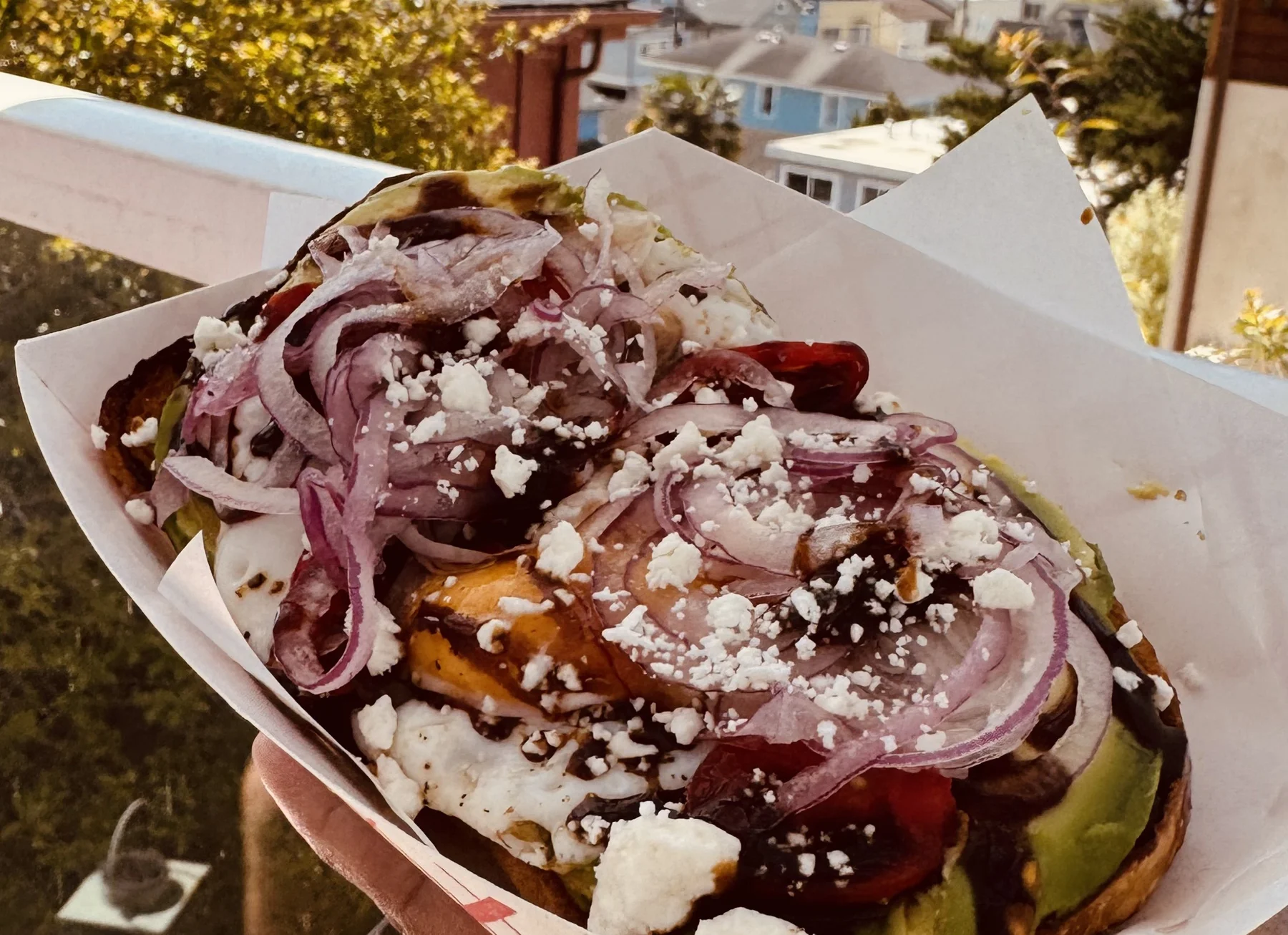
Eating out: When I’m eating out, I’ll almost always choose sourdough if it’s an option on the menu. It’s also the most common alternative option at breakfast places. Be mindful though, because most places love grilling sourdough in oils like butter, canola, or margarine. To play it safe, always order it plain and you can get butter on the side if you wish. Again, pair it with a healthy fat and healthy protein.
What about regular white bread?
My only suggestion here is that if it’s your only option, load it up with veggies, healthy protein, and fat. This will certainly help lessen the blood sugar impact by ensuring that the bread is not the star of the show and more a support character. Literally supporting by holding fully loaded sandwich together.
Yummy bread recipes:
Here are some ideas to get you started. I think you can pretty much eat many of your staple sandwiches with one of the bread choices above. If you’re curious about specific brands or have questions, leave a comment below and I’ll answer it.
Recipe cards
Pasta
Last, but certainly not least, is pasta. We love it, we hate it (no), we love it! When it comes to managing your blood sugar, pasta can actually be the hero you need to save many beloved meals. There are SO many different types of pastas out there now made with wonderful low glycemic ingredients.
Low GI-friendly pasta:
Chickpea pasta
Lentil pasta
Whole wheat pasta
Quinoa pasta
100% Veggie pasta:
Zoodles
Spaghetti squash
My household staple
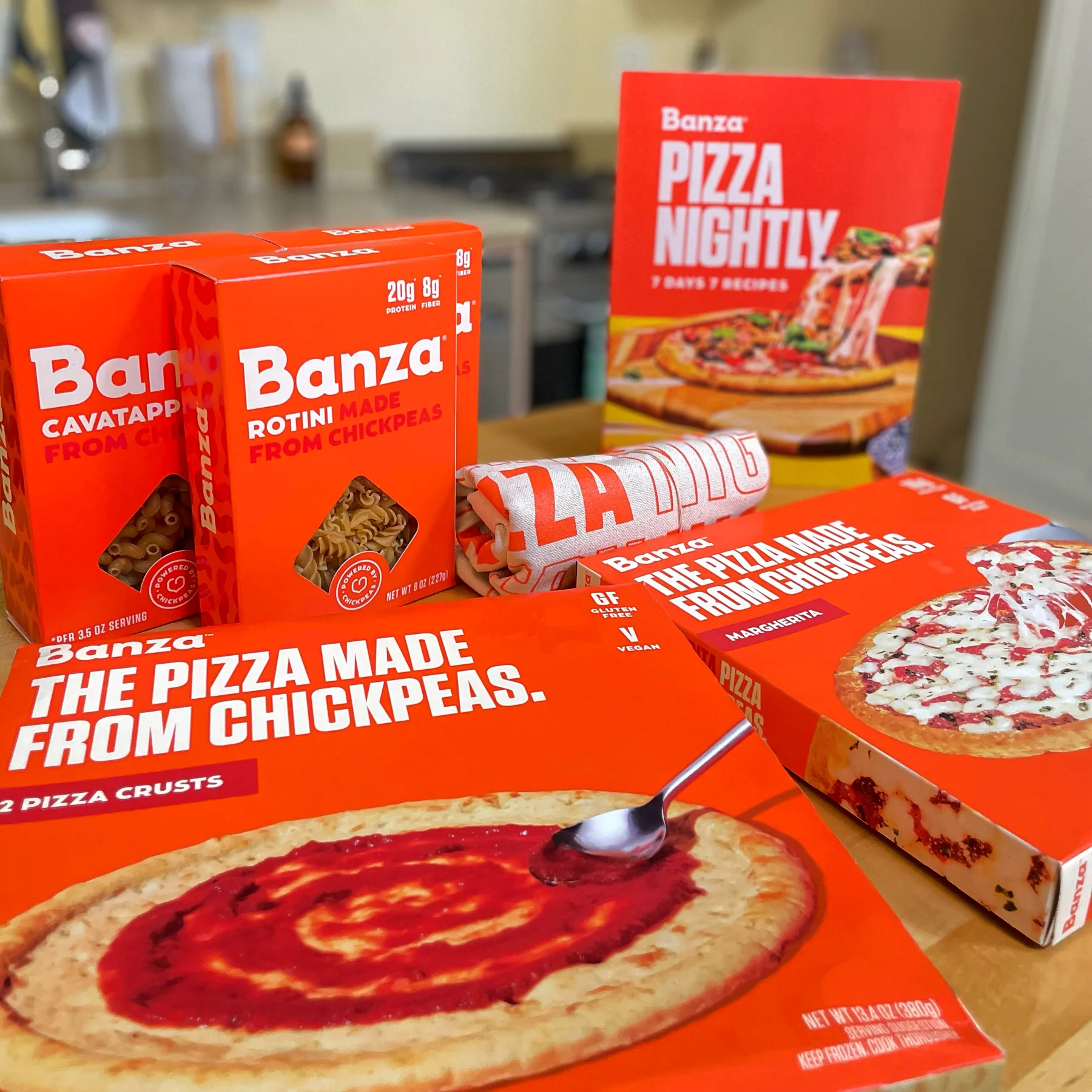
I have to talk about chickpea pasta because it’s the one we buy in bulk in my house. We go with the brand Banza (this is not a sponsor) because it really soaks in the flavor of your sauce and doesn’t taste like you just poured sauce over bland pasta. I do recommend cooking it at the least amount of time recommended. So if it says 8-10 minutes, go with 8 minutes. You really need to prevent it from turning to mush or falling apart! Chickpea pasta is also high in protein and high in fiber. So it’s been the pre-approved winner.
Different pastas for different meals
I’ve tried all the other pastas and each one is good for something different to be honest. Whole wheat pasta is really great cold as a salad. Lentil pasta is great with soupy pasta dishes like Minestrone or lasagna soup or really any kind of broth forward dish. And quinoa pasta is more versatile like chickpea pasta so you could use them interchangeably. Also great when eaten cold like in salads.
What are Zoodles?
Zoodles are simply spriralized veggies! Most of the time zucchini. So these noodles can actually just replace pasta in a recipes like spaghetti. Now, they don’t taste anything like pasta, but they soak in juices and flavor and offer a low calorie (also lower fiber) option if that’s what you’re looking for.
I’ll be honest here, I’ve been unsuccessful at most of my attempts to swap out pasta for zoodles. They always come out too soggy, too watery, or just don’t bring life to the dish no matter how good Ragù meat sauce is that I’ve spent an hour preparing. The zoodles alone as a side dish though taste great—because they’re just like any veggie side dish. Not noteworthy though. Last thing, zoodles can be very expensive and in my opinion overpriced. Sure, they’re doing the work to spiral them for you which is convenient especially if you don’t have a spiraling tool. But if you do, buy the zucchini and do it yourself! You’ll save over $10 I’m sure.
Spaghetti squash
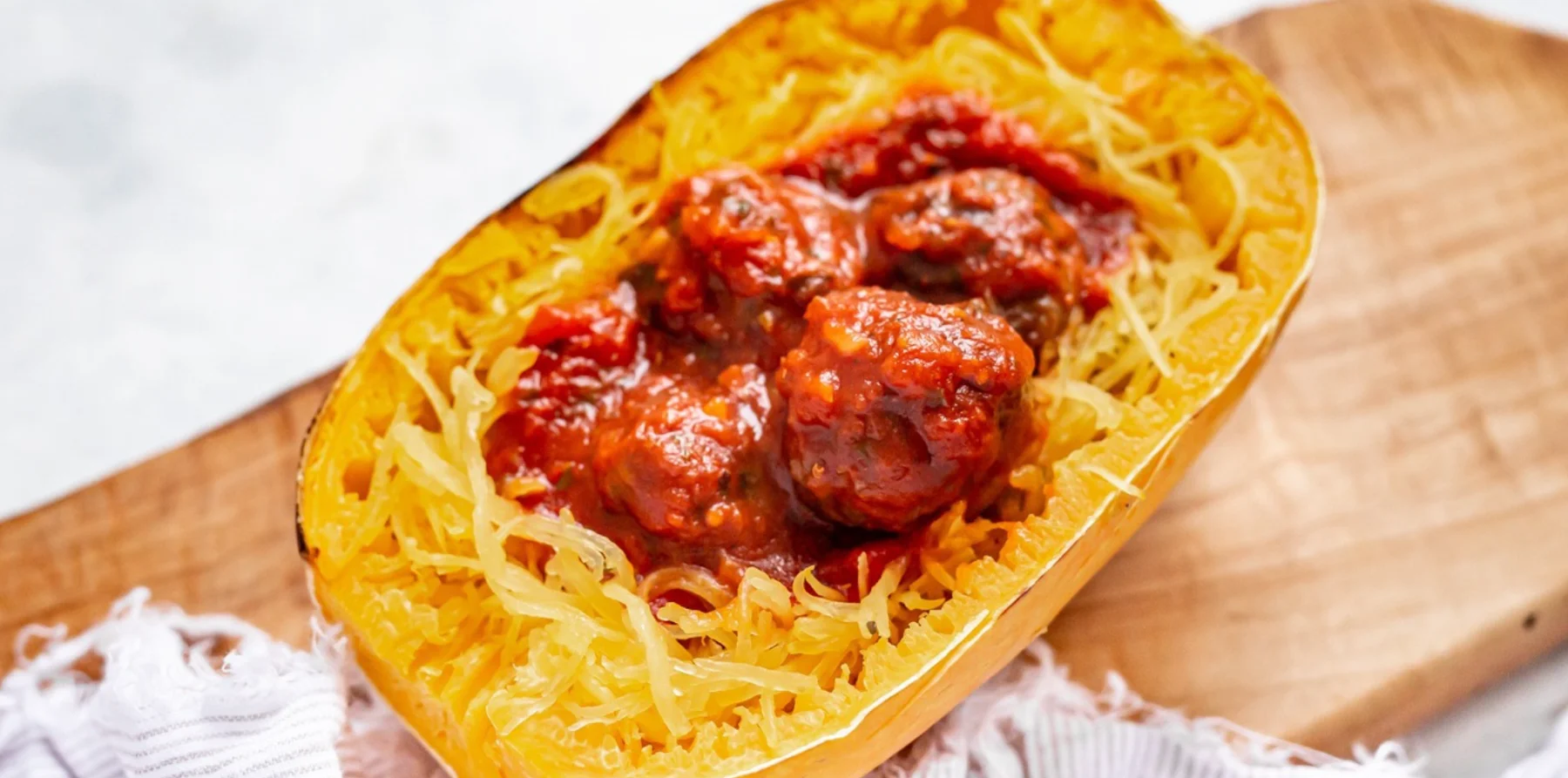
I loooooove spaghetti squash, it’s rich and flavorful and filling. Even better, my whole family loves it. Those things are so tough to cut in half, so it’s really easy for me to skip right passed them in the grocery store because all I see is “work”. But if my husband is shopping with me, he’ll put them in the cart and cut and prep them for me—when this is the case, I’ll make a meal with them happily!
Now, while a Ragù does not pair well with zoodles, it ABSOLUTELY pairs well with spaghetti squash. Like 10/10. I’ll share the recipe below.
What about regular white flour pasta?
There are a few things I like to keep in mind when going for regular pasta.
First, I never eat it first. If there is protein, fat, and veggies that can be eaten first, I’ll eat those. This very simple meal sequencing reduces blood sugar spikes in half because you’ve given your body plenty of food to start digesting and once the pasta comes, the processing of those carbohydrates and glucose into the blood steam is much slower.
Second, always make sure it’s cooked al dente. Same as with the rice (risotto) I shared earlier, you don’t want to overcook your pasta. Cooking al dente gives the pasta a low glycemic index due to its firmer starch structure. This makes it harder for the body to breakdown which leads to a slower release of glucose to the blood stream. Wouldn’t you know.
If you’re eating out, circle back to my first tip: eat protein, fat, and veggies before consuming the pasta.
Recipe cards
You can now go forth and try some new foods, recipes, and tips to better manage your blood sugar and truly live low GI with more ease.